How to Choose the Right Video for Each Social Media Platform
The video you post on TikTok won’t work the same way on LinkedIn. That’s because each platform has its own rules, audience expectations, and algorithm preferences.
Posting the same video everywhere might seem efficient, but it often backfires. You end up with lower reach, fewer views, and missed opportunities.
This guide shows you how to match your video content to each platform. You’ll learn what works on Instagram, TikTok, YouTube, LinkedIn, and Facebook. You’ll also discover how to plan shoots that create content for multiple channels at once.
If you manage brand, marketing, or corporate content, this breakdown will help you shoot smarter, edit with purpose, and stop wasting budget on videos that never reach the right audience. It pairs well with our wider video marketing strategy for brands looking to plan beyond a single platform.
Table of Contents
- Why Video Performance Varies by Platform
- What Video Works Best on Instagram?
- What Video Works Best on TikTok?
- What Video Works Best on YouTube?
- What Video Works Best on LinkedIn?
- What Video Works Best on Facebook?
- How to Plan One Video Shoot for Multiple Platforms
- Plan Platform-Ready Video from Day One
Why Video Performance Varies by Platform
Every social platform is built differently. They reward different viewer behaviours, formats, and engagement signals. What works brilliantly on one channel can fall flat on another.
Think of it this way: each platform serves a specific purpose. TikTok is about discovery and entertainment. LinkedIn is about professional networking and insight. YouTube is about search and learning. Their algorithms are trained to surface videos that match these goals.
How algorithms reward different behaviours
TikTok and Instagram care most about watch time, replays, and quick engagement. That’s why fast hooks and vertical framing matter so much. If viewers scroll past in the first second, the algorithm buries your content.
YouTube works differently. It rewards sustained viewing and session duration. Longer, well-structured videos often outperform short clips because they keep people on the platform.
Audience mindset changes by platform
People open different apps with different expectations. On TikTok, they want entertainment or quick value. On LinkedIn, they expect insight, credibility, and relevance to work.
The same video can feel engaging in one context and completely out of place in another.
The cost of reposting without adapting
When you repost one video everywhere without changes, you often get:
- Poor retention because the pacing doesn’t match how people watch on that platform
- Wrong aspect ratios that reduce visibility or look unprofessional
- Messaging that feels irrelevant to the platform’s audience
Adapting videos isn’t about making more content. It’s about making content that actually works.
What Video Works Best on Instagram?
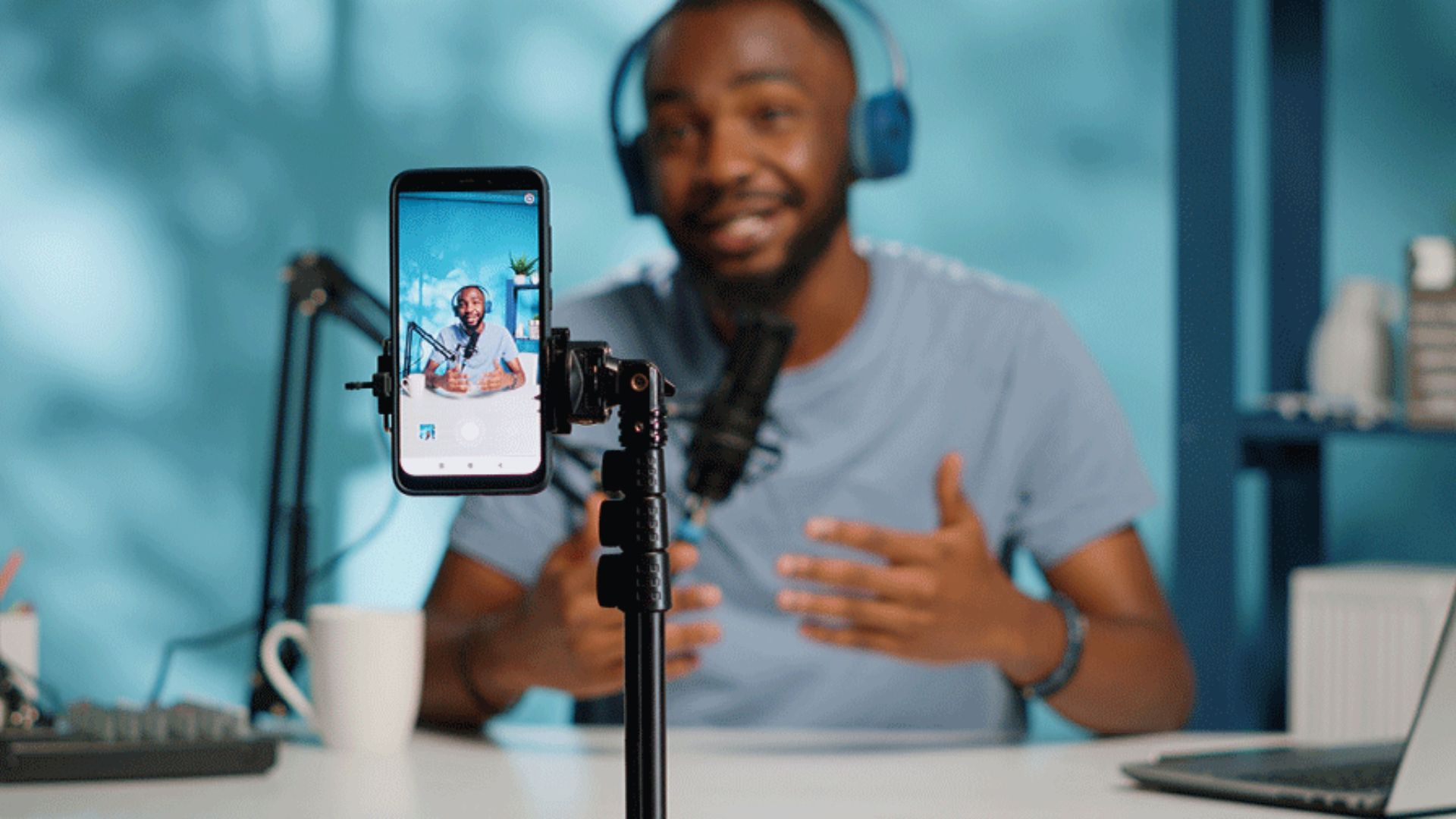
Short, vertical, and visually engaging. That’s the formula for Instagram success.
Instagram is now a video-first discovery platform. Reels drive most organic reach. If your videos don’t match Instagram’s preferred formats, they get buried, no matter how good the production quality is. This is where dedicated social media video production pays off, since formats are built around each platform from the start.
Reels, Stories, and Feed videos serve different purposes
Reels are best for reach, awareness, and discovery. This is where new audiences find you.
Stories work well for behind-the-scenes content, promotions, and engagement features like polls and questions.
Feed videos suit polished brand updates and announcements that you want to live on your profile.
Plan each format with intention. They serve different stages of your marketing funnel.
Ideal length, pacing, and visual style
High-performing Instagram videos typically:
- Run 7 to 30 seconds
- Use vertical 9:16 framing
- Include captions for silent viewing
- Open with motion or a clear visual hook
Fast pacing matters more than cinematic visuals. Grab attention immediately or lose it forever.
Common mistakes brands make on Instagram
Brands often trip up by:
- Reposting landscape videos with black bars that scream "not made for here"
- Burying the message until the final seconds when viewers have already scrolled away
- Overproducing content that feels like traditional advertising
Instagram rewards clarity, speed, and relevance over polish.
What Video Works Best on TikTok?
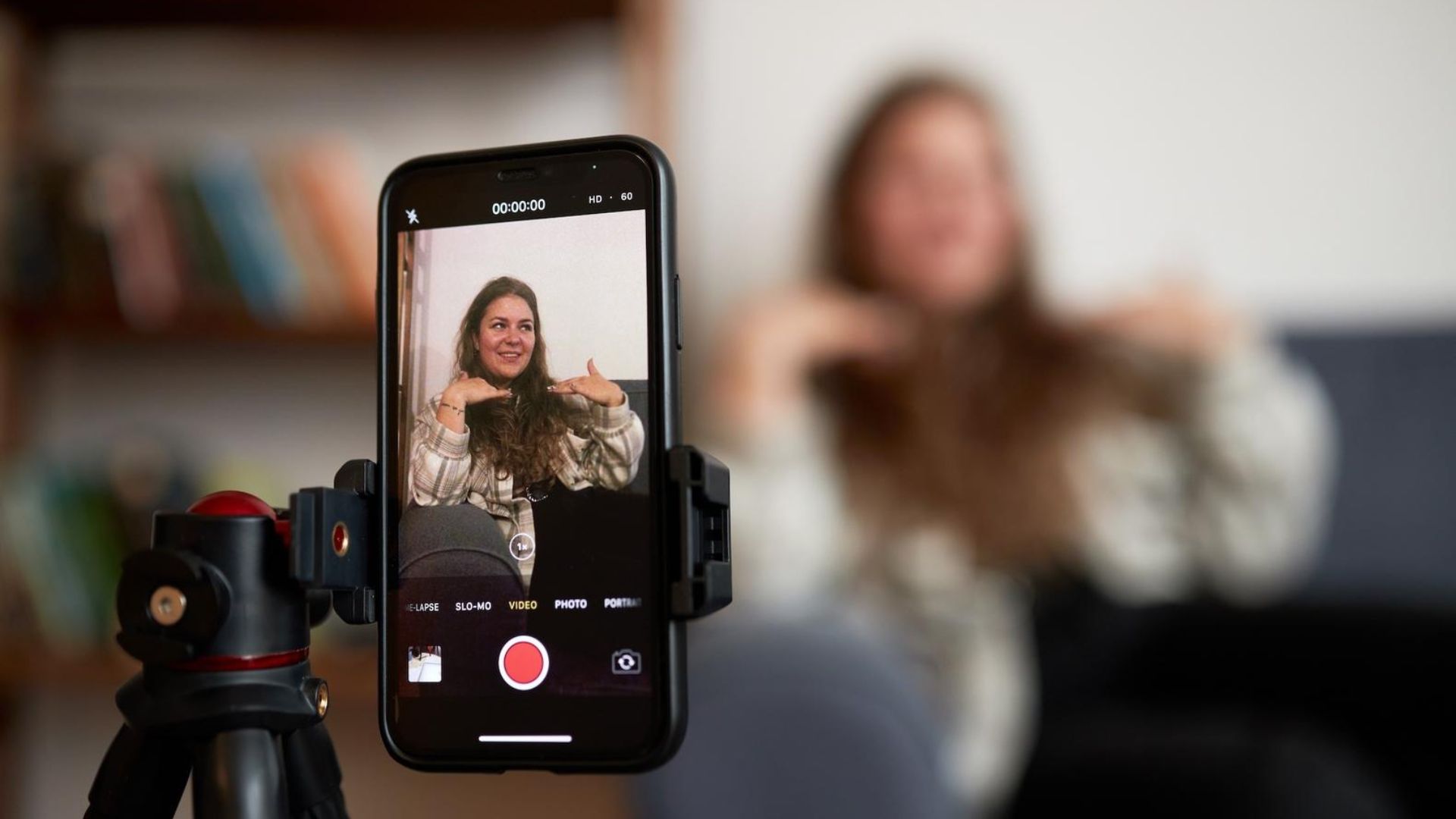
TikTok loves authenticity. Short, vertical videos that feel native and unpolished consistently outperform traditional branded content.
Here’s what makes TikTok unique: its algorithm is interest-driven, not follower-driven. A small brand with great content can outperform a massive account if the video holds attention.
Native, lo-fi content beats polished brand videos
On TikTok, authenticity beats production value every time. Videos shot on phones with natural lighting and casual delivery often outperform studio-produced content.
The key is clarity. Your message needs to be clear and relatable, even if your production is simple.
Trends, hooks, and sound usage
TikTok prioritises:
- Strong hooks in the first one to two seconds
- Trending sounds and formats
- On-screen text that reinforces the message
But be careful. Trends should support your message, not distract from it. Jumping on trends just because they’re popular rarely works.
When TikTok-style video doesn’t suit your brand
Not every brand fits the TikTok mould. Highly regulated industries or premium brands may struggle with trend-based content.
In these cases, educational or process-driven videos perform better than forced humour or meme formats. Stay true to your brand voice.
What Video Works Best on YouTube?
YouTube rewards depth. Longer, structured videos that deliver clear value over time perform best here.
Unlike fast-scroll platforms, YouTube is search-driven and intent-driven. Users actively choose what to watch. They come looking for answers, tutorials, or entertainment they can sink into.
Long-form versus Shorts strategy
Long-form videos (5 to 15 minutes) work best for tutorials, explainers, case studies, and branded storytelling.
YouTube Shorts support discovery and can funnel viewers towards your longer content.
These two formats should work together, not compete. Use Shorts to attract new viewers, then guide them to your main content.
Educational, branded, and evergreen content
High-performing YouTube videos often focus on:
- Solving specific problems
- Answering clear questions
- Providing repeat viewing value
The best part? Well-structured videos continue generating views months or even years after publishing. That’s the power of evergreen content.
Production value expectations on YouTube
YouTube audiences expect higher production standards than TikTok or Instagram. They want:
- Clean audio
- Steady framing
- Logical pacing
Cinematic visuals help, but clarity and usefulness matter more than visual complexity. Focus on being helpful first.
What Video Works Best on LinkedIn?

LinkedIn is all about credibility and professional relevance. Informative content that shares insights, experience, or industry knowledge consistently outperforms promotional videos.
Remember: this is a professional context. Users evaluate videos based on usefulness and authority, not entertainment value.
Thought leadership versus promotional video
Videos that explain ideas, trends, or lessons learned generate more engagement than product-led content. Short thought leadership clips, commentary on industry changes, and practical advice feel natural in the feed.
Promotional videos can work, but only when framed around value or insight rather than sales messaging. Lead with what’s useful, not what you’re selling.
Executive presence and corporate storytelling
Videos featuring founders, executives, or subject-matter experts perform exceptionally well. They build trust and credibility in ways that polished corporate videos often can’t.
What matters most is direct-to-camera delivery, clear messaging, and confident presentation. Cinematic polish is less important than authentic expertise.
Captioning and silent viewing considerations
Most LinkedIn videos are watched without sound. People scroll through their feeds in offices, meetings, and public transport.
Effective LinkedIn videos:
- Use clear on-screen captions
- Deliver the key message within the first few seconds
- Maintain a professional but conversational tone
- Clarity and relevance drive performance more than visual flair.
-
What Video Works Best on Facebook?
Facebook videos work best when they’re concise, captioned, and designed for passive scrolling. Educational or community-focused content outperforms heavily promotional formats.
Facebook is no longer a primary discovery platform for organic brand content. But video still plays an important role in community engagement and paid distribution.
Feed video, ads, and community content
Feed videos work best when they’re short, informative, and caption-led.
Video ads perform well when the message is clear within the first three seconds.
Community videos in groups and comment threads help sustain engagement with your existing audience.
Each use case requires different pacing and framing.
Repurposing long-form content for Facebook
Facebook is excellent for edited-down versions of longer videos. Key moments, highlights, or insights from YouTube videos or webinars can perform well when reformatted into shorter clips with captions.
Think of Facebook as a place to redistribute your best moments, not create entirely new content.
Declining reach and how video still fits
Organic reach has declined significantly. But video remains valuable when:
- Supporting paid campaigns
- Nurturing existing audiences
- Reinforcing brand messaging consistently
Facebook video works best as part of a broader content system, not as a standalone channel.
How to Plan One Video Shoot for Multiple Platforms

Here’s the good news: you don’t need separate shoots for every platform. Smart planning lets you create content for multiple channels from a single production day.
The key is shooting with flexibility, editing with intent, and designing variations for each channel. This reduces costs whilst maintaining strong performance everywhere.
Shooting with multiple aspect ratios in mind
When filming, frame wider than you need and protect the centre of the shot. This gives your editors room to create:
- Vertical 9:16 videos for TikTok and Instagram Reels
- Square 1:1 videos for Facebook and feed placements
- Horizontal 16:9 videos for YouTube
This approach prevents critical visuals from being cropped out during editing.
Editing variations versus one-size-fits-all
Avoid exporting one master edit for all platforms. Instead:
- Shorten intros for short-form platforms where attention spans are shorter
- Add captions and text overlays where they’re expected
- Adjust pacing based on how people watch on each platform
Small edits make a significant difference to performance.
When to invest in platform-specific production
Sometimes a single shoot isn’t enough. Platform-specific shoots make sense when:
- Running paid campaigns where every detail affects conversion rates
- Launching high-visibility brand initiatives
- Targeting distinct audiences with different messages
Strategic planning balances efficiency with effectiveness. Know when to adapt and when to create from scratch.
Plan Platform-Ready Video from Day One
If your videos are underperforming, the problem often isn’t the message. It’s how and where it’s being delivered.
At Epitome Collective, our video production services help brands create content that actually performs across platforms. We focus on:
- Shooting once with multi-platform outputs in mind, so your footage works across vertical, square, and horizontal formats
- Editing platform-specific cuts that match real viewing behaviour on social and digital channels
- Aligning creative decisions with business objectives, not short-lived trends
Ready to turn your video content into a consistent, performance-driven system? Get in touch.