How We Turned One Kickstarter Brief Into 3 Films | Outer Ape Case Study
Outer Ape came to us with a clear goal: make their product's key benefit obvious, fast. They needed their Kickstarter campaign to convert viewers into backers. Instead of producing one all-purpose explainer video, we took a different approach.
We designed a content system: three short narrative films (15 to 30 seconds each) plus a bank of reusable product visuals. One shoot. Multiple outputs. The same assets could power the Kickstarter page, paid ads, social cutdowns, and future web use.
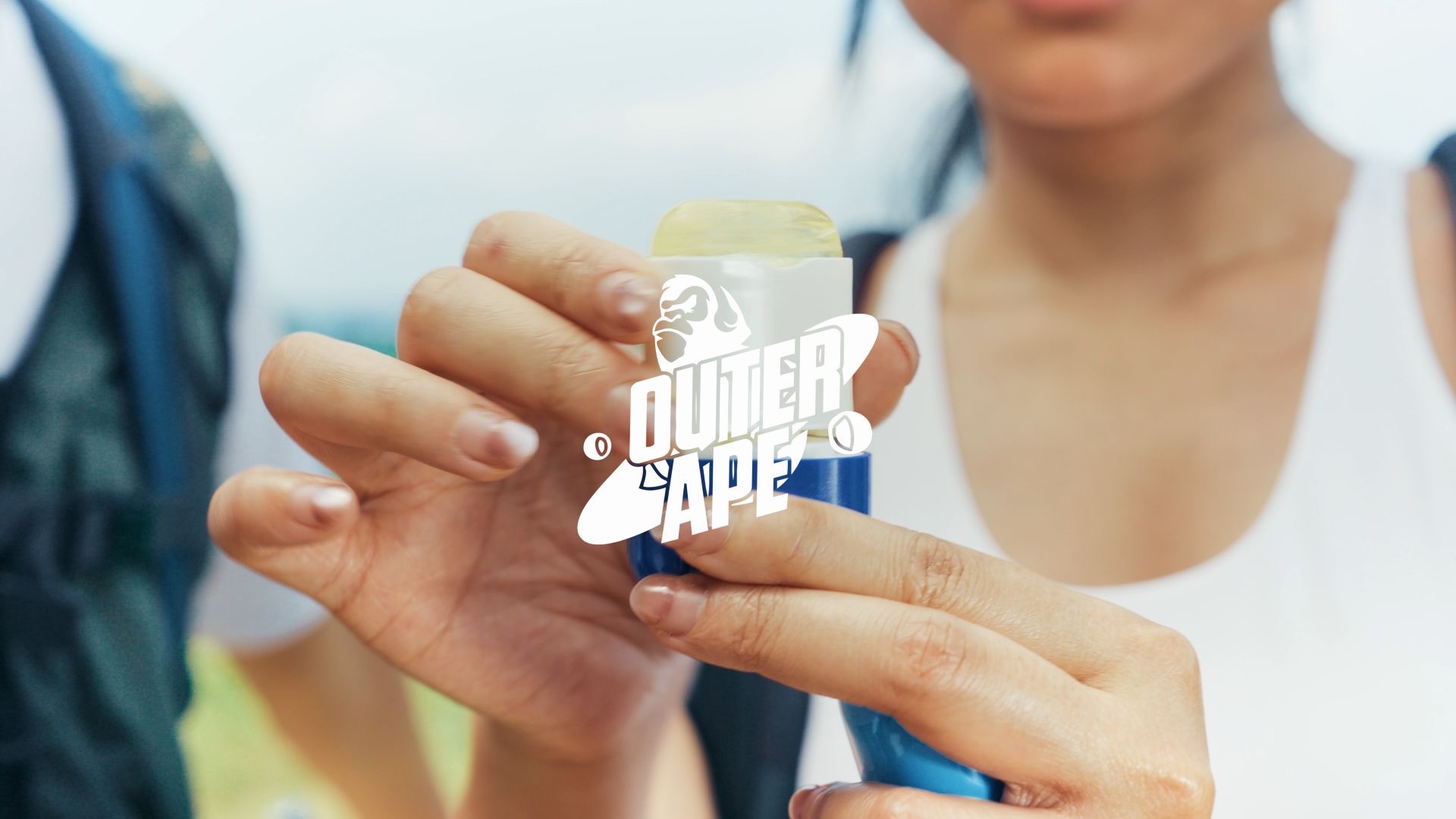
The product story was simple but strong. Outer Ape is sunscreen and mosquito repellent in one. Our job was to land that benefit quickly, without making it feel like a dry product demo. In this case study, you'll see the goals, the process, and exactly what the client received.
What Did Success Look Like for This Campaign?
Outer Ape's brief was direct: make the USP obvious in seconds. On Kickstarter, viewers decide fast. If they understand the product benefit quickly, they're more likely to keep watching and back the campaign. The goal wasn't to tell a long story. It was clarity, attention, and conversion.
Success had three clear outcomes:
- USP-first messaging: Communicate that the product is both sunscreen and mosquito repellent, without burying it under features.
- Campaign-ready short-form content: Build punchy 15 to 30-second films where pacing supports comprehension.
- Multi-channel longevity: Deliver not just launch videos, but a reusable set of product visuals. These assets should keep working after Kickstarter, across paid ads, social cutdowns, and the website.
For founders and marketers, this is the difference between "a video" and a content system. One strategic shoot supports the campaign now and reduces production spend later.
Why Three Short Films Instead of One Main Video?
The client came to us asking for one Kickstarter video. We recommended three. A single film often tries to do everything: explain the product, show use cases, set a tone, and build trust. When a film has to do all of that, the core message gets diluted.
Three short films let each piece do one job. Make one benefit land quickly in a relatable situation.
Our strategy was to translate the USP into three outdoor moments where the problem is instantly understood. Different scenarios create natural variety while keeping the messaging consistent. Each film can be used as a standalone ad, a section feature on the Kickstarter page, or a social cutdown, without feeling repetitive.
Crucially, we didn't treat this as three separate productions. We designed it as one system: one brief, one creative framework, one planned shot list, and one production schedule built to generate multiple outputs efficiently.
For marketers, founders, and growth leads, the value is clear: more deliverables, more placement options, and clearer communication, without multiplying shoot complexity.
The Creative Treatment: Why Surreal Humour Works for Attention
On Kickstarter and in paid ads, the first few seconds decide whether someone keeps watching. We leaned into a creative reference proven to earn attention fast: surreal, comedic commercials in the style of Japanese and Thai advertising. These ads are absurd enough to stop the scroll, but structured enough to stay clear.
Outer Ape's brand world gave us permission to push this. The "ape from space" icon isn't a generic mascot. It's a built-in justification for playful, bold logic. We could heighten situations without losing believability inside the brand. The key was discipline: the weirdness exists to serve the USP, not distract from it.
To keep every film consistent, we used a repeatable narrative framework:
- A wrong or over-the-top solution appears first. This instantly sets up the problem.
- Outer Ape enters as the simple fix.
- The USP lands quickly and visually, showing what it does, how it's used, and why it matters.
This approach does two things marketers care about. It creates distinctive creative that doesn't look like a standard product demo. And it still delivers direct USP communication without slowing down the pace.
The System Behind the Work: From Brief to Shoot-Ready Decisions
Our value on projects like this isn't just production. It's the system that turns a simple brief into content that scales. We start by locking what must be true on-screen: the USP is front and centre, understood quickly, and repeatable across formats. From there, we translate strategy into concrete decisions the client can review before shoot day.
The workflow for Outer Ape looked like this:
- Messaging map and scenario selection: We identified the moments where "sunscreen and mosquito repellent" is most believable and most useful outdoors, then assigned each film a specific situation so the benefit lands naturally.
- Creative framework and scripts: We applied one consistent structure across all films so the brand tone stays coherent while each scenario stays distinct.
- Storyboards and pre-visualisation: We visualised the films ahead of time, including a simple pre-vis video to validate pacing, composition, and location fit. This also speeds up client approvals. You're not approving a vague idea. You're approving specific frames.
- Shot planning as an output engine: We don't just plan for the hero edits. We design coverage for cutdowns and future reuse. Product close-ups, hero frames, and modular moments are all captured so they can be reassembled for different placements later.
The result is a production process that feels predictable for marketing teams: fewer surprises, clearer decision points, and outputs designed to work across Kickstarter, ads, and owned channels.
Designing for Efficiency Without Cutting Corners
Efficiency on this project wasn't about doing less. It was about making decisions that protect what matters: clarity, performance, and usable outputs. For marketers, that's the difference between a shoot that produces one hero film and a shoot that produces a campaign-ready library.
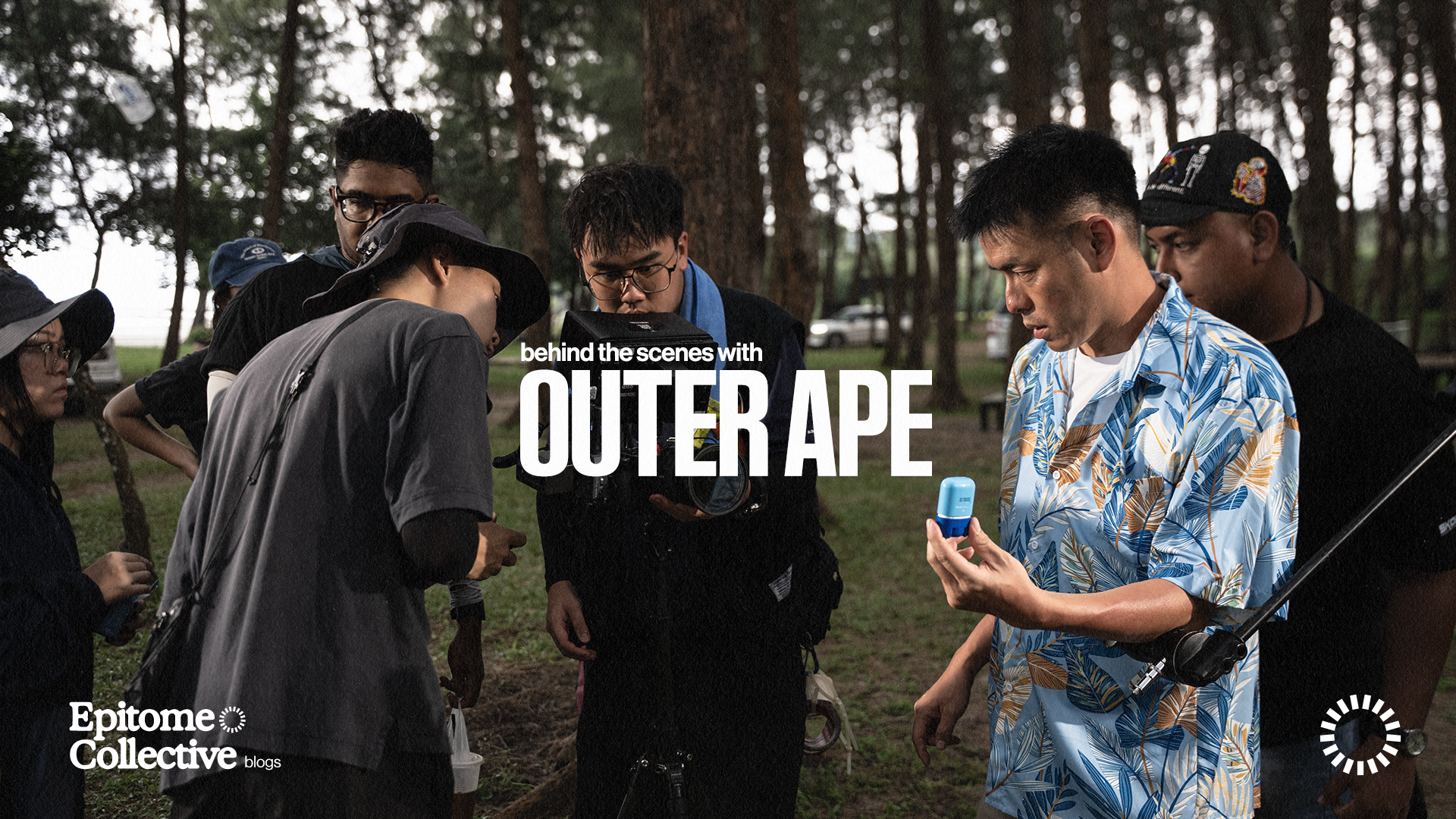
A big part of that was location strategy. We needed multiple outdoor looks to support three distinct scenarios, but we also needed speed and control. We planned around a cross-border hub location in Johor Bahru, specifically Tiger Base Camp, which offered trekking, beach, and forest environments in close proximity. That gave us real visual variety without burning time on travel between distant setups.
We also made lean production choices that support volume: a mobile crew, a focused gear package, and a schedule built around high-yield setups. Outdoors, good lighting is often about shaping what's already there. So we prioritised tools and methods that work with natural light efficiently, rather than overbuilding.
The core principle is the same for any brand. Spend effort where it changes the outcome: concept, performance, product clarity, and edit pacing. Stay lean everywhere else. That's how you get high-output production without sacrificing quality.
Planning Reusable Product Visuals Alongside the Films
Because Outer Ape is a product-led Kickstarter, the visuals couldn't just be nice. They had to be useful. Clear enough that a viewer understands how the product works and why it's different. That's why we treated product shots as a core deliverable from the start, not something to squeeze in at the end of the shoot.
We designed a reusable product visual bank around three needs marketers always have:
- Understanding: Application moments and close-ups that make the use case obvious, especially for a two-in-one product.
- Proof: Shots that show the product behaving exactly as the USP claims. Clean, readable, and easy to cut into ads.
- Flexibility: Hero frames and modular inserts that can be dropped into different edits, aspect ratios, and platforms.
On set, that meant capturing coverage beyond the main films: tight close-ups, product mechanism moments, and product-forward framing designed for reuse. The goal was straightforward. After the campaign launches, the client shouldn't have to reshoot just to feed ongoing content needs. One production should continue to power ads, social cutdowns, the Kickstarter page, web and ecommerce, and future how-to content.
What the Client Received and How to Use It After Launch
Outer Ape didn't walk away with just a video. They walked away with a Kickstarter-ready content package designed to perform across channels and keep working after launch.
Deliverables included:
- Three short narrative films (15 to 30 seconds) built around distinct outdoor scenarios, each engineered to land the USP quickly.
- Multiple cutdowns for social and paid placements, so the campaign can iterate without reshooting.
- A reusable bank of product visuals, including close-ups, hero frames, and modular inserts that can be repurposed across formats and future edits.
How a brand can use this package right away:
- Kickstarter page: Feature the films where the USP needs reinforcing. Use product visuals to break up text with proof.
- Paid ads: Rotate the three films as creative variations. Test cutdowns by hook, scenario, or pacing.
- Social content: Publish scenario-led edits as standalone posts, then reuse product inserts for reminders and retargeting.
- Website and ecommerce: Drop hero frames and application close-ups into product pages for clarity and conversion support.
- Future campaigns: Reuse the asset bank as the base layer for new edits, seasonal pushes, and how-to content.
The Working Model We Bring to Every Project
This is the approach Epitome Collective brings to founders and marketers: start with a clear USP, build an attention-winning creative treatment, and plan production as a system that outputs more than one film.
If you're launching something and need clarity, efficiency, and scalable deliverables, this is exactly what partnering with Epitome is designed to deliver. Get in touch to discuss your next project.