How Video Localisation Works for Multilingual Campaigns

Taking your video content global? You'll need more than just translation.
Video localisation adapts your content for different languages and cultures. It covers everything from translating dialogue to adjusting visuals that might not work in certain markets.
If you're expanding across Asia or launching a global campaign, getting localisation right makes the difference between content that connects and content that falls flat.
This guide breaks down the process. We'll cover what localisation involves, how it works, and what you need to know to get it right.
What Is Video Localisation?
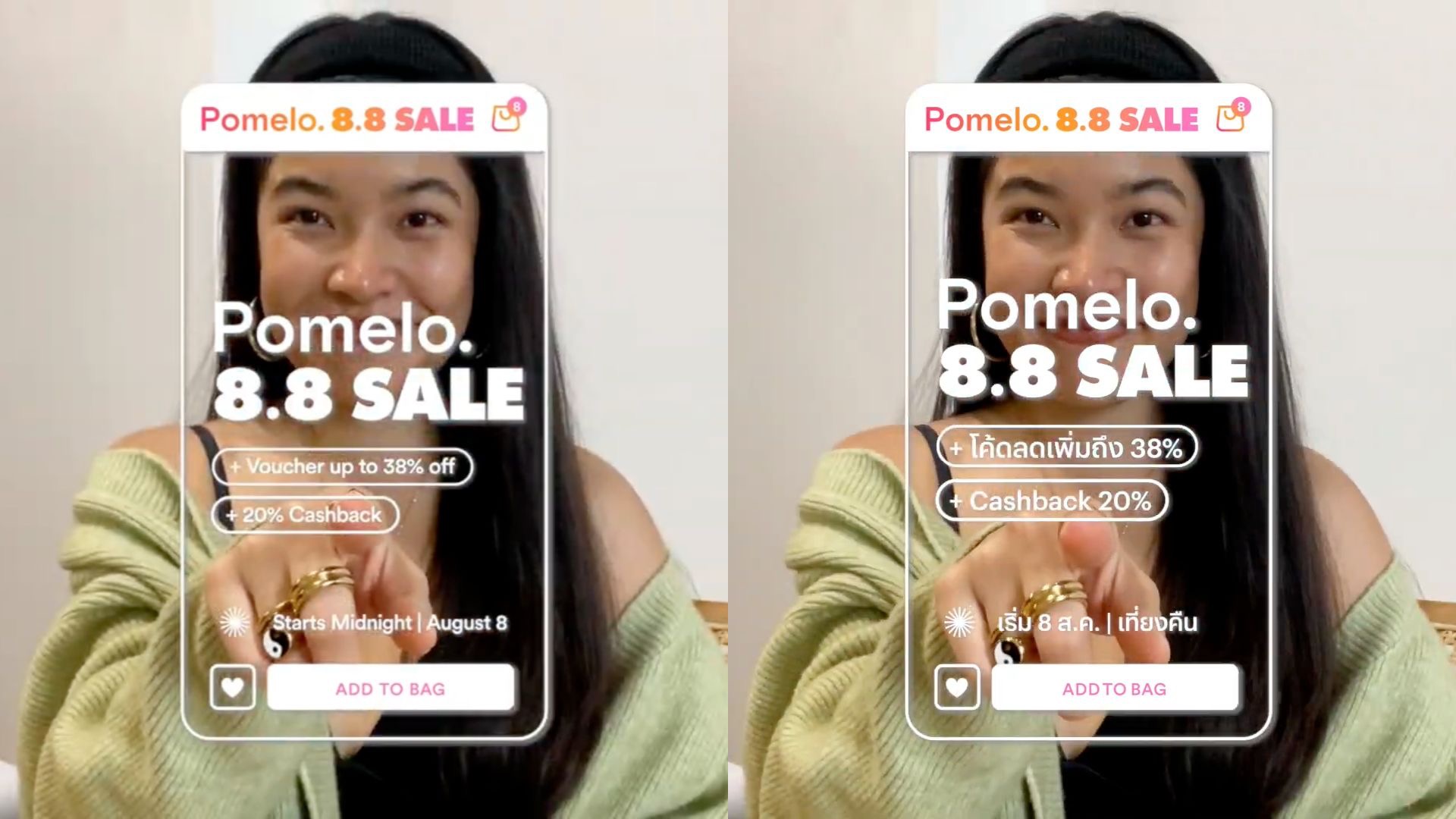
Video localisation adapts video content for different languages and cultures by changing dialogue, text, visuals, and cultural references. The process includes voice-over recording, subtitle creation, graphic redesign, and cultural adjustments that make content feel native to each target audience. It goes beyond word-for-word translation to include idioms, humour, and visual symbols that match local conventions.
Done well, viewers in each market feel like the content was made specifically for them.
How Does Localisation Differ from Translation?
Translation converts words from one language to another. Localisation goes further.
It changes idioms, humour, and visual symbols to match local expectations. Sometimes you need transcreation, which means recreating the message to get the same emotional impact rather than keeping the exact wording.
For example, a slogan with wordplay in English might need completely different phrasing in Mandarin to work. That's transcreation. You're keeping the feeling, not the literal words.
What Types of Content Need Localisation?
Most businesses need localisation for:
- Training videos and internal communications for global teams
- TV commercials for regional campaigns across Southeast Asia
- Social media content adapted for different platforms and markets
- Product demonstrations and explainer videos for diverse customer bases
Key Steps in Video Localisation

Video localisation follows a six-stage workflow: source file preparation, script translation and transcreation, voice-over recording or dubbing, subtitle creation and timing, graphic and on-screen text adaptation, and final quality control. Production companies manage this process by coordinating translation specialists, voice talents, post-production teams, and cultural consultants to deliver market-ready content.
Here's the typical workflow:
- Prepare source files
- Translate and transcreate scripts
- Record voice-overs or dubbing
- Create and time subtitles
- Adapt graphics and on-screen text
- Run final quality checks
How Do Production Houses Prepare Source Files?
Good preparation prevents delays later. Production teams start by pulling out the dialogue script with exact timecodes. They organise all the raw footage and graphic files. Every piece of on-screen text gets documented.
This includes finding hard-coded text in motion graphics and separating voice tracks from background audio. Translators get reference files that show context. When files are organised properly from the start, the rest of the process runs smoothly.
What Happens During Translation and Transciption?
Professional translators convert scripts while keeping the tone and intent intact. Often they work with cultural consultants who check for regional sensitivities, legal issues, and market fit.
Transcreation kicks in when direct translation doesn't work. This happens a lot with marketing content. Copywriters recreate the message to get the same emotional impact in the target language. For marketing videos, emotional resonance matters more than word-for-word accuracy.
How Dubbing and Voice-Over Work
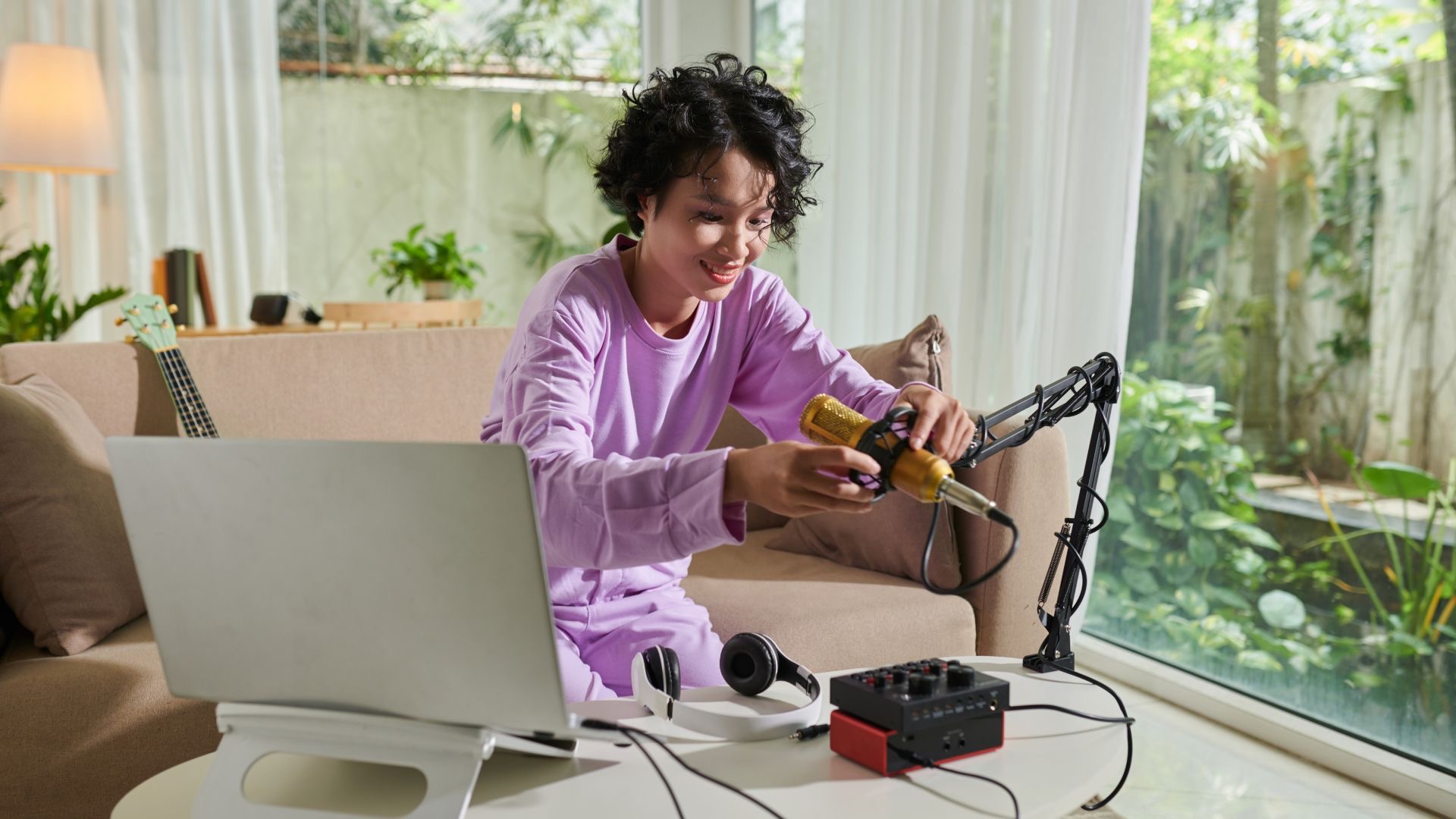
Dubbing replaces original dialogue with re-recorded speech in the target language, synchronised to match on-screen lip movements. Voice-over places translated narration over the original audio, typically used for corporate videos, documentaries, and training content where lip sync is less critical. Production houses choose between methods based on content type, budget, and cultural preferences in each market.
How Are Voice Talents Selected for Different Markets?
Production teams cast native speakers who match the original speaker's gender, age, and vocal tone. Regional accents matter too.
For Mandarin content, you might need Beijing, Taiwanese, or Singaporean accents depending on your target market. Voice directors audition multiple talents to match your brand personality, whether that's authoritative for corporate communications or conversational for social media.
What Is the Audio Mixing Process?
Post-production teams sync dubbed dialogue to match lip movements. For close-up shots, timing needs to be within 2-3 frames.
Audio engineers balance new voice tracks against background music and sound effects. They keep the original mix's emotional impact. Quality checks include pronunciation accuracy, removing mouth noise, and making sure audio levels meet platform requirements.
How Subtitles Are Created and Synced
Subtitle creation involves translating dialogue, breaking text into readable segments, and timing each subtitle to appear and disappear in sync with spoken words. Professional video editing services use industry-standard character limits (typically 42 characters per line, two lines maximum) and display durations (minimum 1 second, maximum 7 seconds) to ensure readability across devices and platforms.
What Subtitle Formats Do Production Companies Use?
Most production houses export subtitles in SRT or VTT formats for digital platforms.
SRT files work across YouTube, Vimeo, and social media. VTT supports advanced styling for web players. Broadcast content often needs embedded subtitles burned directly into the video. Streaming platforms usually prefer separate subtitle files that viewers can turn on or off.
For social media videos where autoplay happens without sound, production teams create open captions. These are stylised subtitles designed as graphic elements.
Handling On-Screen Text and Graphics
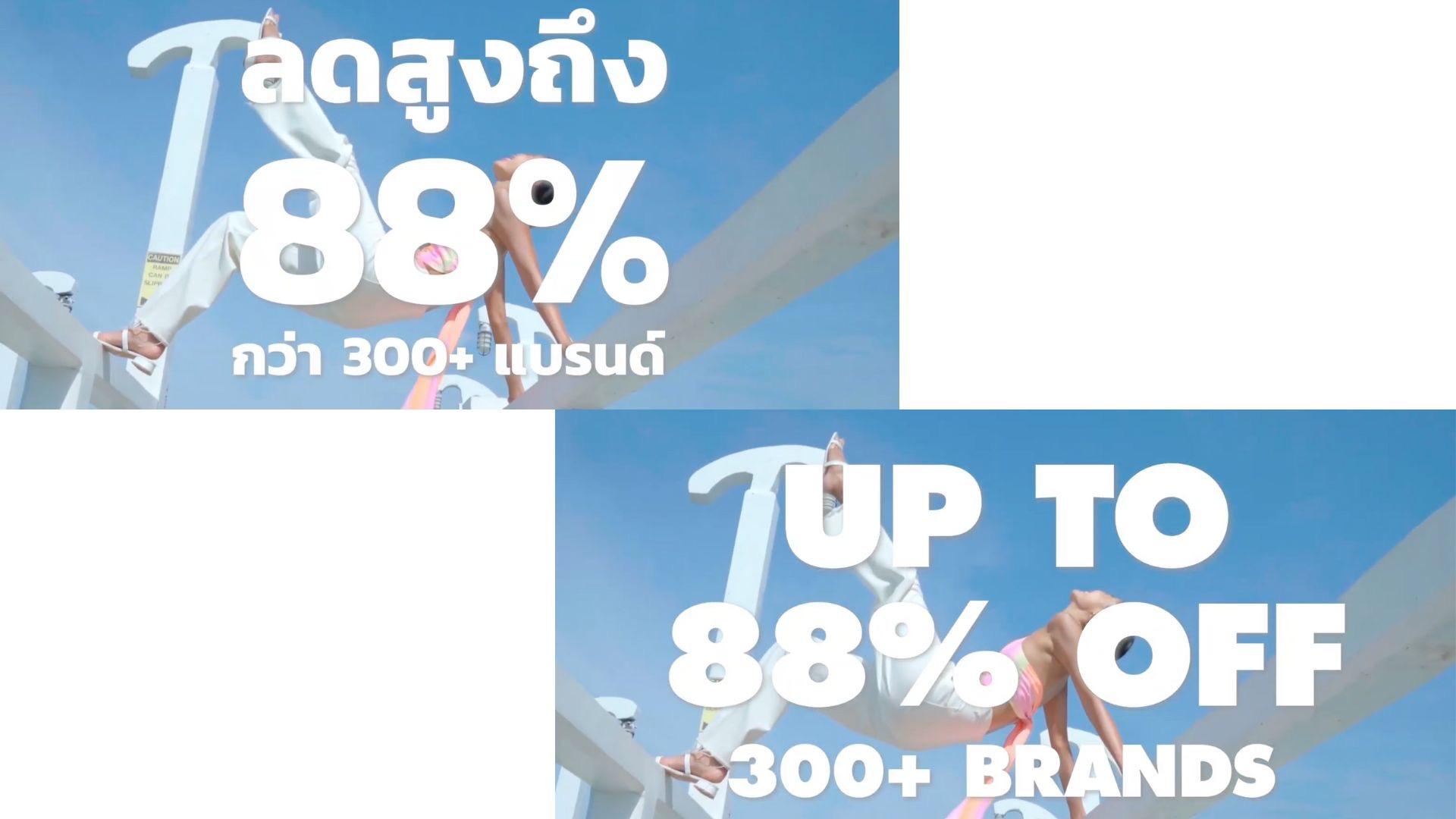
On-screen text and graphics require recreation in each target language to maintain visual consistency and readability. Motion graphics production teams rebuild animated titles, lower thirds, infographics, and text overlays using translated copy, adjusting layout to accommodate text expansion or contraction across languages. This process ensures graphic elements integrate seamlessly without awkward spacing or truncated text.
What Visual Elements Need Cultural Adaptation?
Text overlays, branded graphics, and animated statistics all need language-specific versions. Beyond words, visual symbols carry different meanings across cultures.
Colours matter. Red signifies prosperity in Chinese markets but suggests danger in Western contexts.
Sometimes corporate videos need location-specific footage or different talent to better represent regional audiences. This makes localised versions feel authentically created for each market rather than obviously adapted.
Common Challenges in Video Localisation
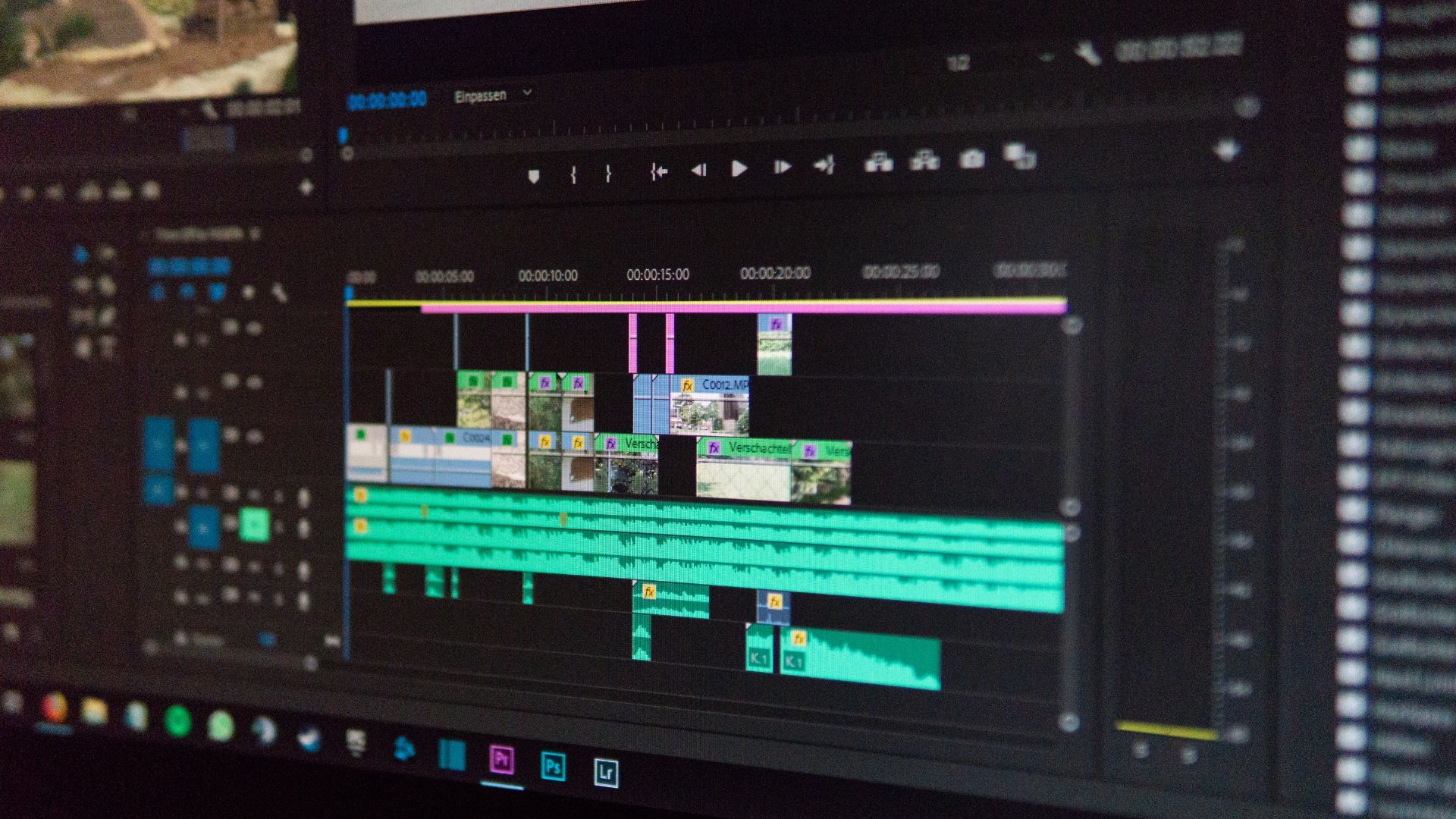
Timing mismatches occur when translated dialogue runs longer or shorter than the original, creating synchronisation issues in dubbed content. Cultural sensitivities require careful review to avoid offensive imagery, messaging, or humour that doesn't translate across markets. Budget constraints force decisions between full dubbing and subtitle-only approaches, while maintaining quality consistency across multiple language versions demands rigorous production standards.
Professional teams handle these challenges through strategic planning and clear workflows.
How Do Teams Handle These Challenges?
Professional teams fix timing issues by allowing flexible script adaptation during translation. Message delivery matters more than word-for-word accuracy.
File management systems ensure all language versions get identical colour grading, audio mastering, and technical specs. Clear approval workflows let stakeholders review translated content at multiple checkpoints. This prevents costly revisions after delivery.
Production houses coordinate with clients' regional teams or translation partners to address market-specific needs. This ensures content aligns with local audience expectations.
Getting Started with Video Localisation
Video localisation needs coordinated expertise across translation, voice-over recording, subtitle timing, and graphic adaptation. The process transforms your source video into multiple regional versions optimised for each market.
When done right, your content resonates authentically with audiences in each target market. Linguistic accuracy, cultural relevance, and platform specifications all matter.
Epitome Collective provides comprehensive video localisation services for brands expanding across APAC and global markets. Our team coordinates multilingual production workflows from script translation and voice talent casting through to post-production and final delivery. Your campaign messaging maintains consistency while adapting effectively to each regional audience.