What Is Colour Correction and Colour Grading in Video Production?
Colour correction and colour grading are two key steps in post-production services. They shape how professional, polished, and credible your video looks.
Many people use these terms as if they mean the same thing. They don't. Each serves a different purpose and happens at a different stage of the editing process. For a fuller breakdown of every stage involved, see our video post-production guide.
Understanding the difference helps you make better decisions when working with a video production team. It also explains why high-quality videos consistently outperform ones with inconsistent visuals.
Table of Contents
- What Is Colour Correction?
- What Is Colour Grading?
- What's the Difference?
- Why Do Both Matter?
- Do All Videos Need Both?
- How Professional Teams Handle Colour
- Work With a Professional Video Production Company
What Is Colour Correction?
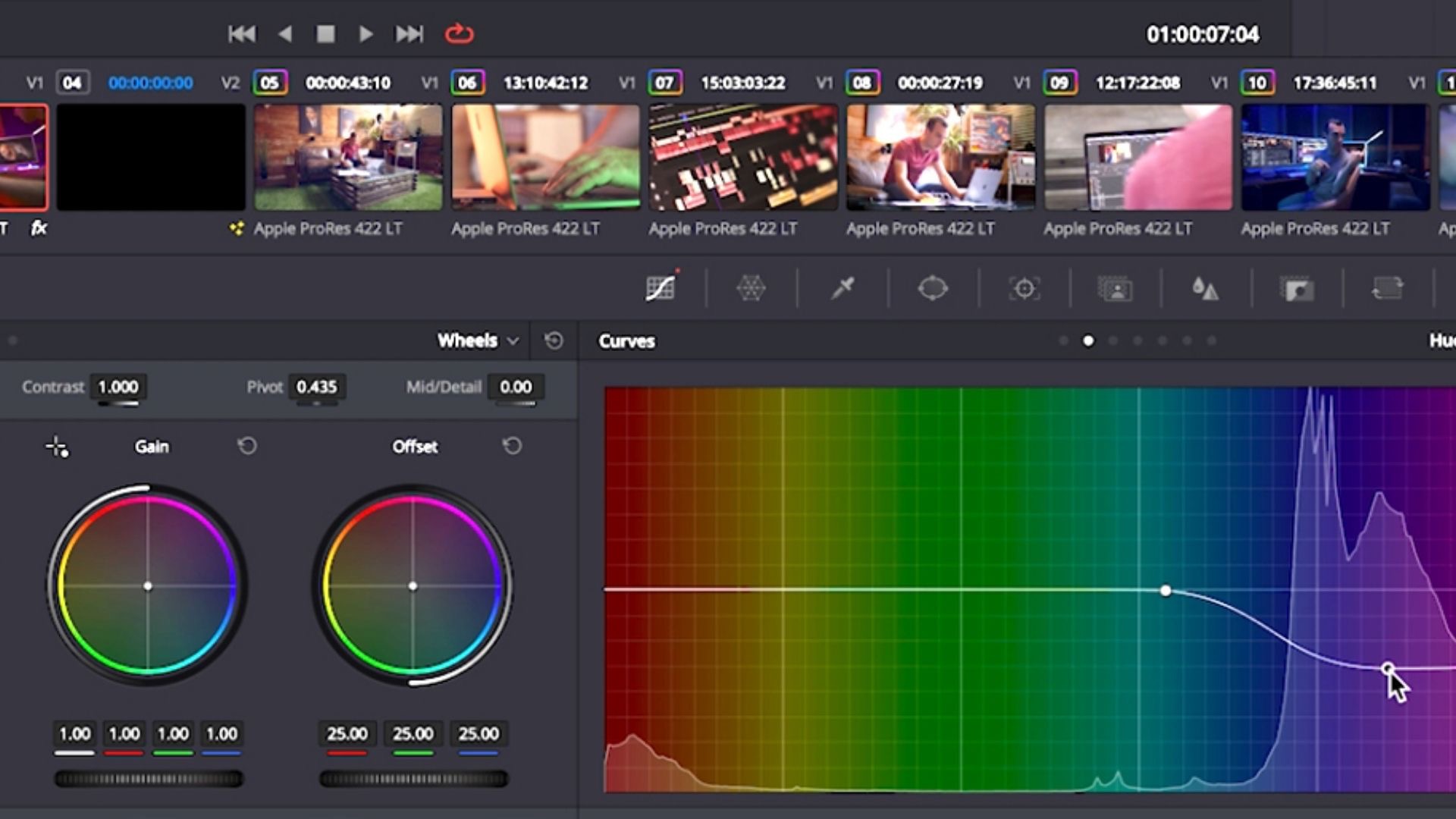
Colour correction is a technical process. The goal is to make colours look accurate, natural, and consistent across every shot.
This step isn't about creating a style or mood. It's about fixing problems that happened during filming and creating a clean starting point.
During production, footage often picks up issues from:
- Changing lighting conditions
- Mixed colour temperatures (such as daylight and indoor lights in the same shot)
- Differences between cameras
Colour correction fixes these issues by:
- Balancing exposure so footage isn't too dark or washed out
- Fixing white balance to remove unwanted colour casts
- Matching shots from different cameras or angles
This step happens after the edit is locked but before any creative look is added. Without proper correction, any grading you add later will look uneven and unpredictable.
What Is Colour Grading?
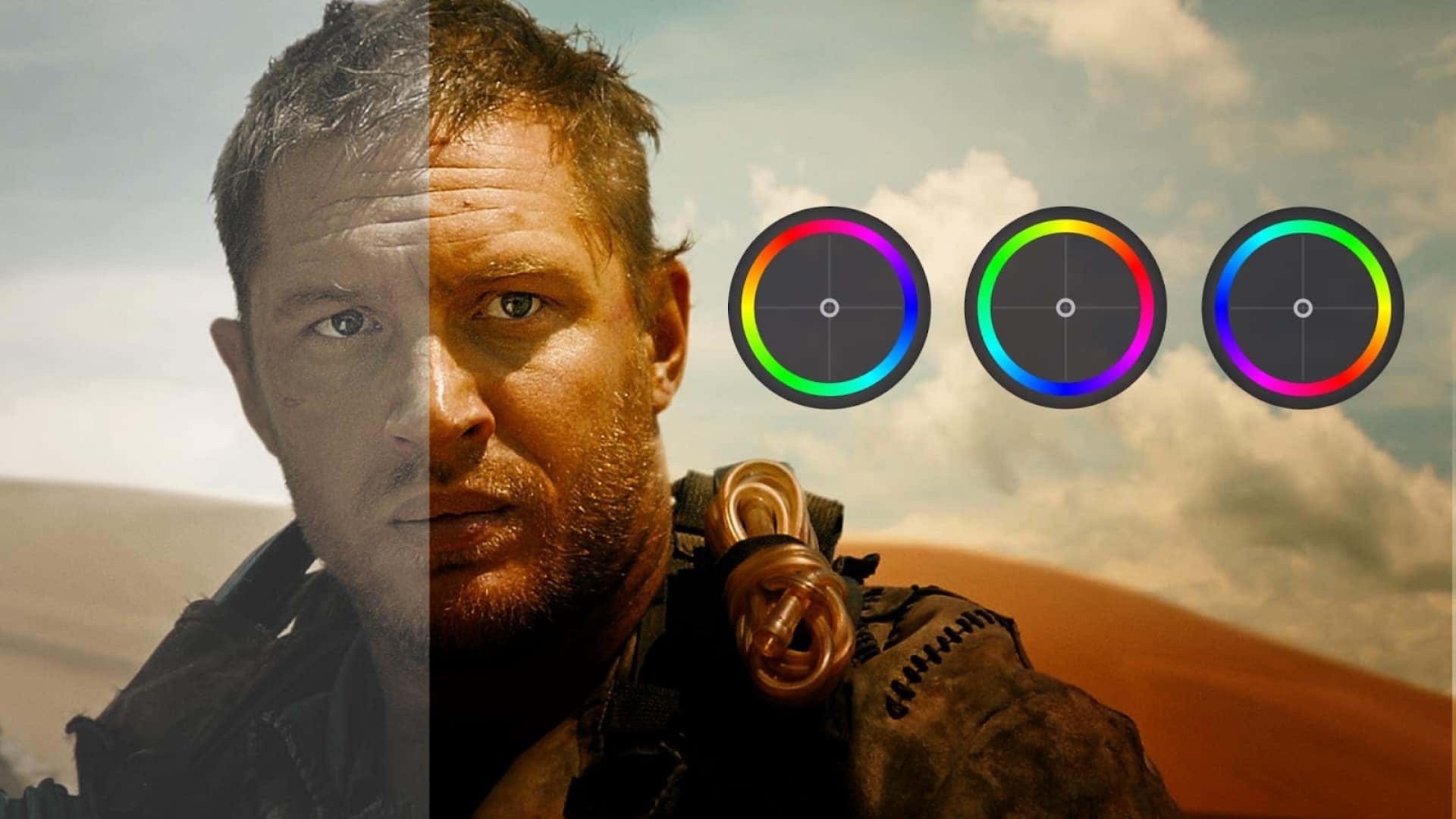
Colour grading is the creative step that comes after correction. Once your footage is technically accurate, grading defines the mood, atmosphere, and visual identity.
Rather than fixing problems, grading involves intentional choices. It shapes how your audience feels when watching and how they perceive your brand.
For example:
- A corporate video might use restrained, neutral tones to convey professionalism
- A commercial or brand film might use bold contrast or stylised colour palettes to create emotional impact
Common uses for colour grading include:
- Setting mood and tone
- Reinforcing brand colours and visual identity
- Creating a cinematic or premium look
Good grading enhances storytelling without calling attention to itself. Viewers may not notice it consciously, but they feel its effect straight away.
What's the Difference?
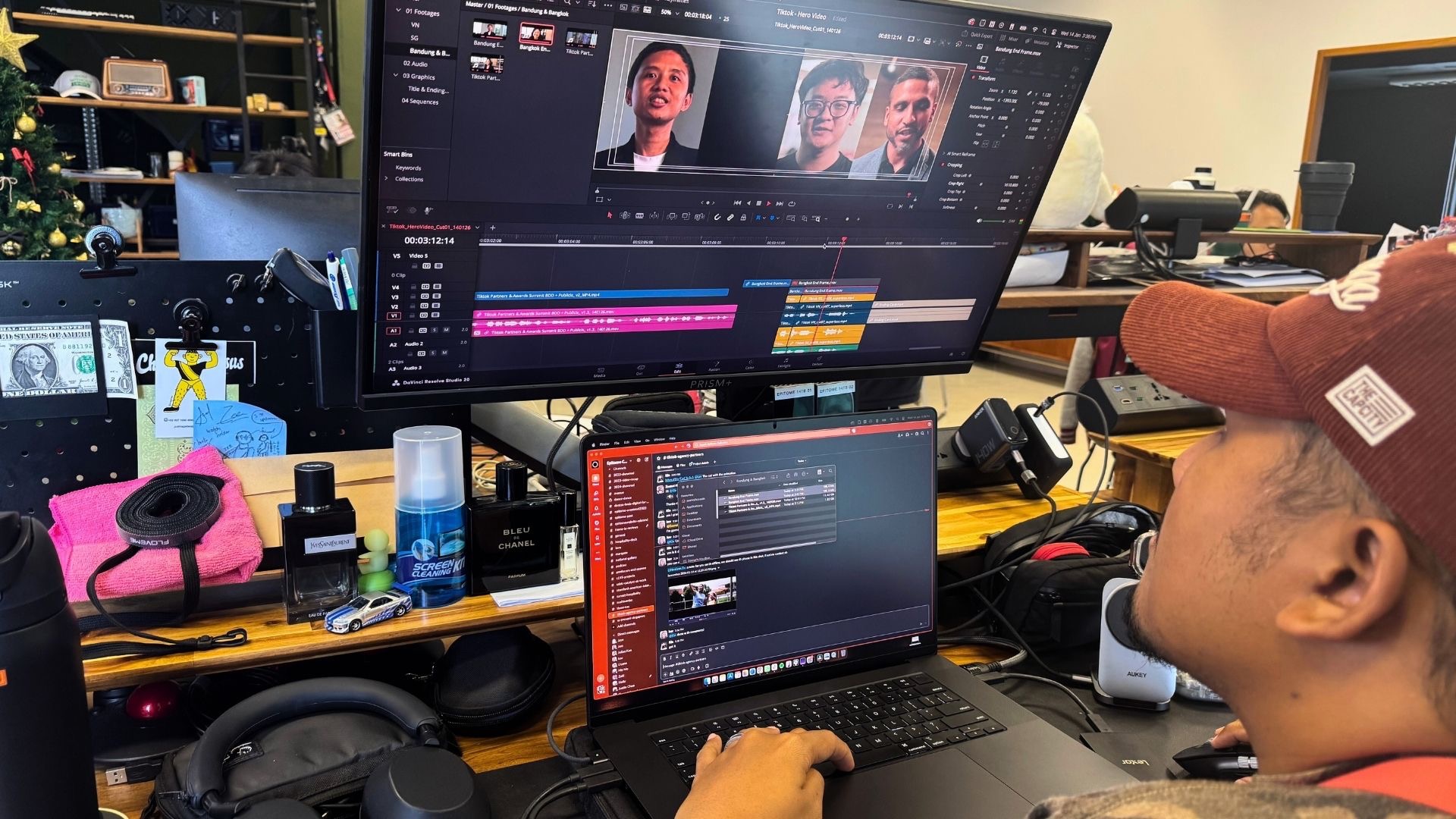
Although they're closely related, colour correction and colour grading serve different roles.
At a high level:
- Colour correction is technical and objective
- Colour grading is creative and subjective
Colour correction asks: "Is this footage accurate and consistent?"
Colour grading asks: "How should this footage feel?"
Professional workflows always treat correction as a prerequisite for grading. If you skip it, your visuals will look uneven and your results will be unpredictable.
Why Do Both Matter?
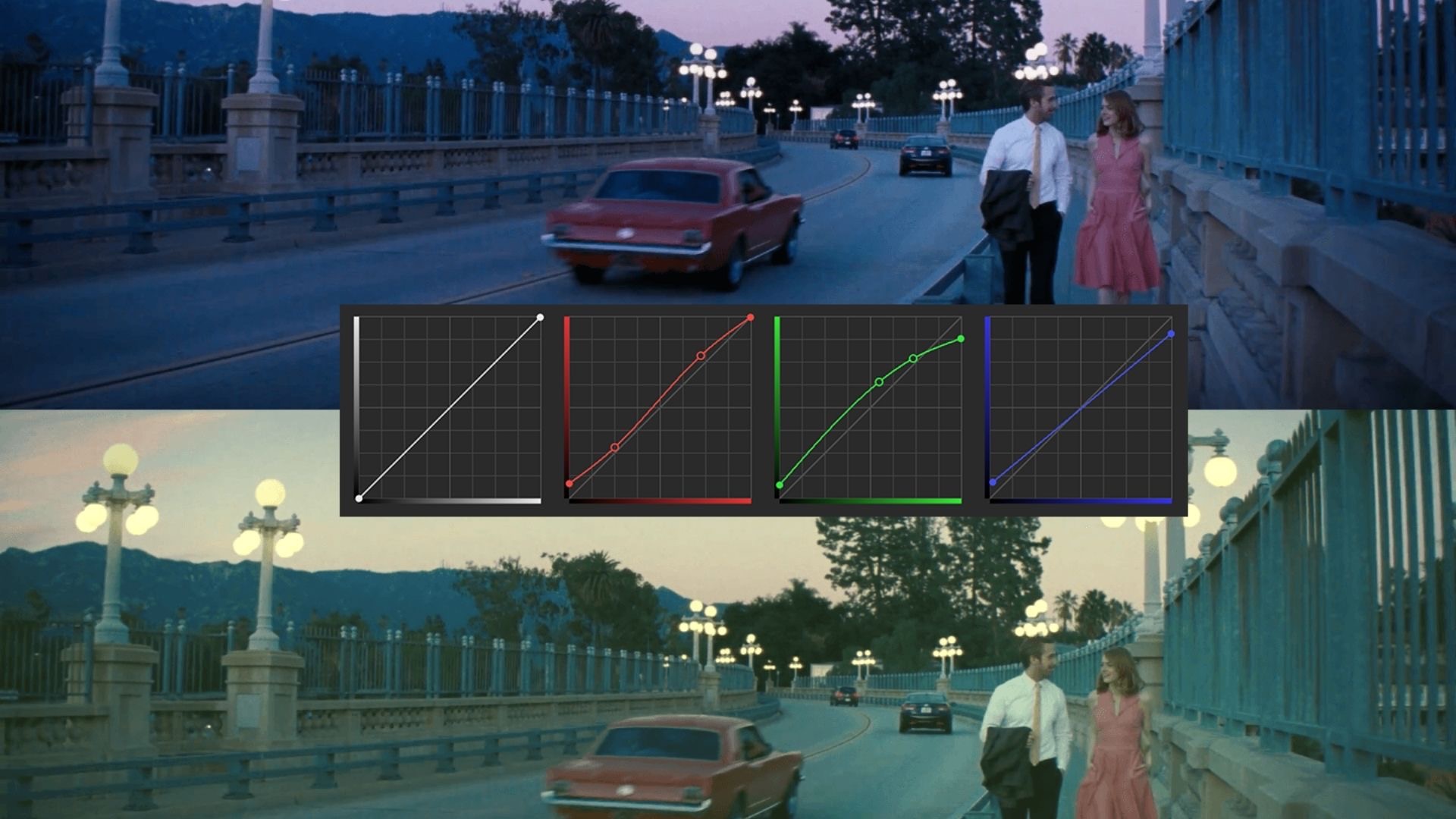
Together, colour correction and grading determine how professional your video looks. Videos with inconsistent colour, poor exposure, or unnatural skin tones appear amateur, even when the content itself is strong.
For businesses, this has real consequences. Professionally finished videos:
- Appear more credible and trustworthy
- Reflect higher brand standards
- Maintain visual consistency across campaigns
In competitive markets like Singapore, audiences see polished content every day. Colour finishing often becomes the silent factor that separates professional work from everything else.
Do All Videos Need Both?
All professionally produced videos need colour correction. Colour grading, however, varies depending on the video's purpose.
Here's how different types of content typically use grading:
- Corporate interviews and training videos use subtle grading to preserve natural tones and clarity
- Marketing videos and commercials rely more heavily on grading to support emotion and storytelling
- Social media content may use lighter grading for speed
- High-end brand films depend on refined colour work for cinematic impact
The key difference isn't whether you use grading. It's how deliberately you apply it.
How Professional Teams Handle Colour
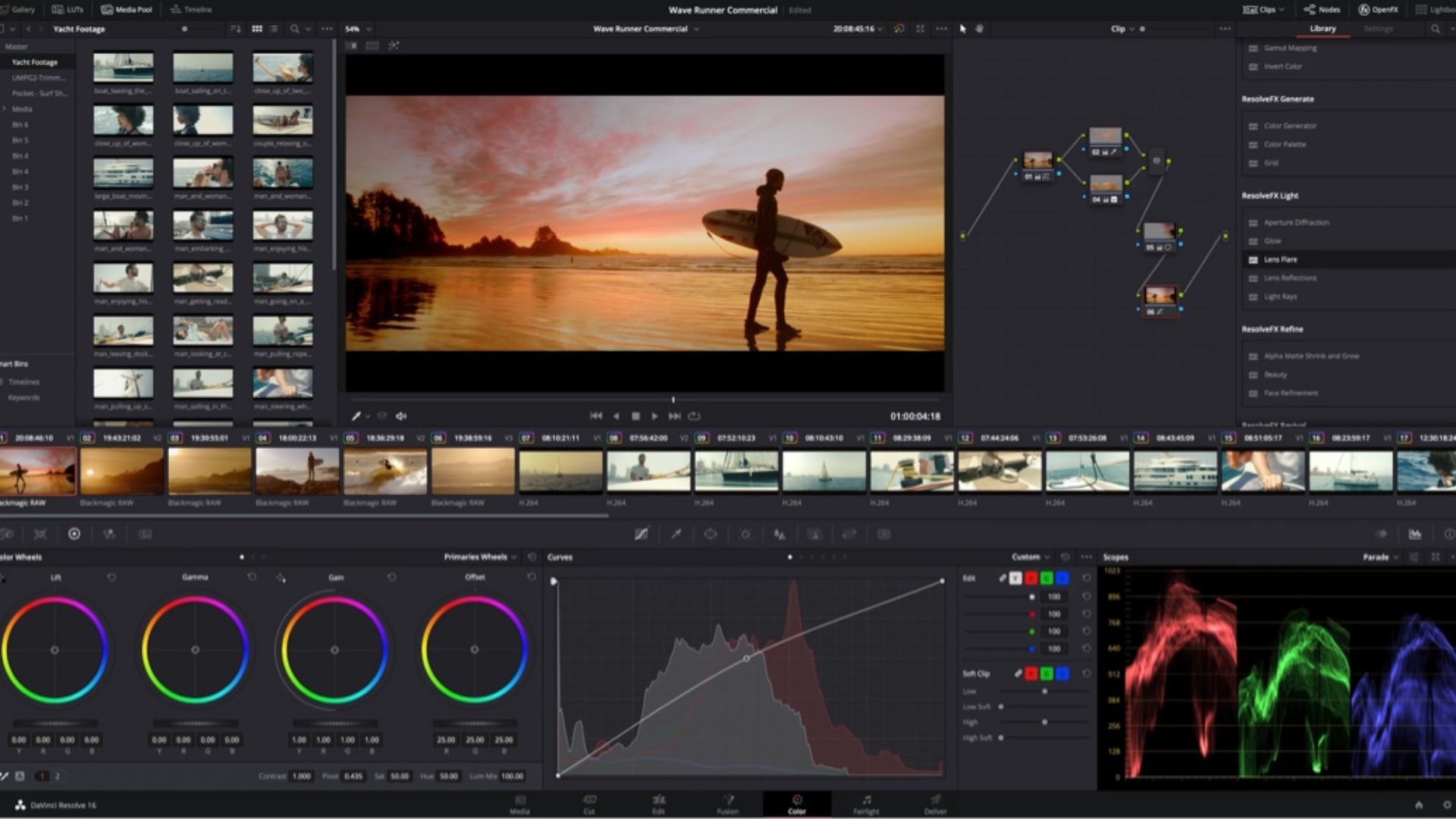
Professional video production companies treat colour as a specialist discipline, not a final step or a preset filter.
Experienced teams:
- Work in controlled colour spaces
- Use calibrated monitors
- Understand how colour behaves across different screens and platforms
This is where DIY colour work often falls short. What looks acceptable on an uncalibrated laptop can appear oversaturated, dull, or inconsistent on other devices.
Professional workflows ensure colour accuracy holds up across web, broadcast, and mobile viewing.
Work With a Professional Video Production Company
If your video represents your brand, colour accuracy and grading quality are strategic decisions, not cosmetic ones.
Epitome Collective is a Singapore-based video production company offering end-to-end production and post-production services. This includes professional colour correction and cinematic colour grading, alongside commercial photography and video colour grading for brand campaigns.
Our team ensures every video is technically accurate, visually intentional, and aligned with your brand's positioning.
Explore Epitome Collective's video production services to see how professional colour finishing elevates video quality and brand perception.