Filming a Live Restaurant Without Closing: The Wakuda Story
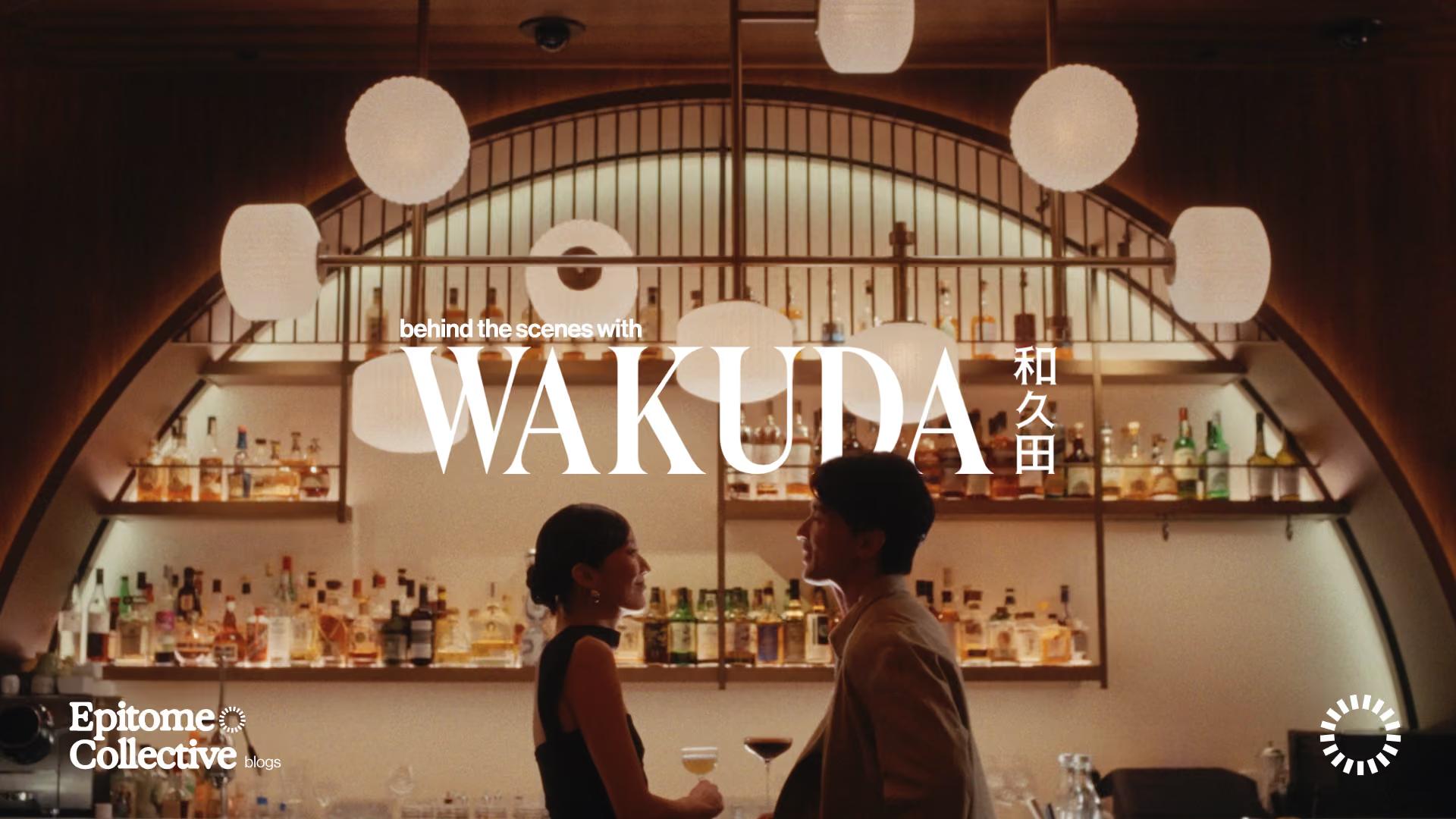
When creative vision meets operational reality, the production plan becomes the bridge between them. For Wakuda at Marina Bay Sands, our director’s four-season treatment shaped how we needed to shoot and that creative choice led us to split the work around service hours. This kind of corporate video production work lives or dies on that balance between craft and constraint.
Table of Contents
- The Brief
- The Creative Treatment: Four Seasons as a Visual Spine
- The Strategy: How Creative Led Operations
- Pre-visualisation That Protected Time
- The Shoot Day
- Post-Production and Quality Control
- What We Learned
- What Was Delivered
- Key Takeaway
- Credits and Production Facts
The Brief
Marina Bay Sands x Wakuda came to us with clear goals: portray the restaurant as lively, stylish, and welcoming while preserving its sense of craft.
Wakuda sits in the Marina Bay Sands lobby. From outside, the space can read as premium and private. The brief was to reduce any perception of inaccessibility by showing warmth and natural service, create a flexible asset library for social and brand channels in 1:1, 9:16, and 16:9 formats, and maintain a contemporary, editorial visual tone that never felt muted or austere.
The operational constraint was equally clear: Wakuda is a live venue. We couldn’t disrupt guests during service.
The Creative Treatment: Four Seasons as a Visual Spine
Our director Jem Stevens responded to the brief with a treatment built around the rhythm of Japan’s four seasons, the kind of brand storytelling device that gives a shoot its spine.
Wakuda is guided by the philosophy of Shun: a reverence for savoring ingredients at the peak of their season. These shifts, subtle yet profound, have long shaped the aesthetics, cuisine, and rhythms of everyday Japanese life. To honor this sensibility, Jem structured the film not by traditional acts, but by the four seasons.
This wasn’t just aesthetic, it became the framework that shaped our entire production approach.
Spring introduces freshness. Soft whites, pale greens, and natural window light. Camera moves lightly, shot lengths are short. We focus on produce, knife work, steam, and the first pour of tea.
Summer brings conviviality. The palette warms as wood and table highlights emerge. Frames widen to show connection across tables. Movement is gentle and lateral, making scenes feel open rather than staged.
Autumn shifts to the bar. The maple tree becomes a visual anchor, amber notes enter the grade, and we slow the pace. Hands, tools, and glass catch the eye as cocktails are built.
Winter settles into evening refinement. Compositions simplify, highlights are restrained, and plateware carries elegant details. We hold shots longer so the work can breathe.
This creative concept required us to capture distinct daytime and nighttime atmospheres. That creative requirement determined our production strategy.
The Strategy: How Creative Led Operations
Because the four-season treatment needed both bright daytime energy and intimate evening atmosphere, we designed a split-window shoot that would deliver both while respecting Wakuda’s live service.
Split the shoot around service hours
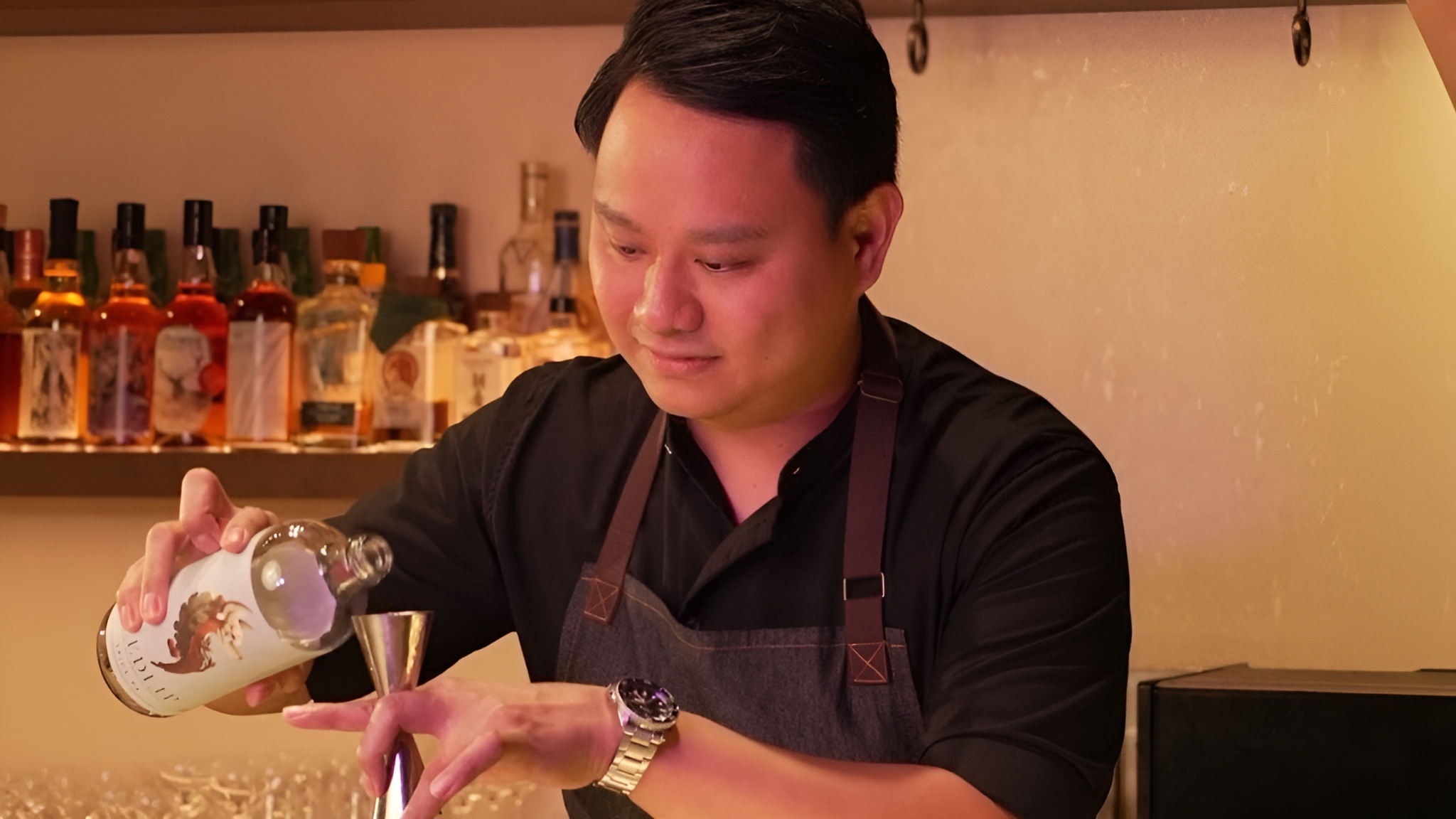
We divided the work into two tightly planned windows, directly mapped to the creative treatment:
The pre-opening window covered Spring and Summer: daylight moments that captured freshness and conviviality.
The post-closing window focused on Autumn and Winter: bar energy and refined night plating that delivered intimacy and craft.
Each window had a beat-by-beat timeline with clear owners and time targets. The creative treatment gave us a clear structure for what to shoot when.
Design for platforms from the start
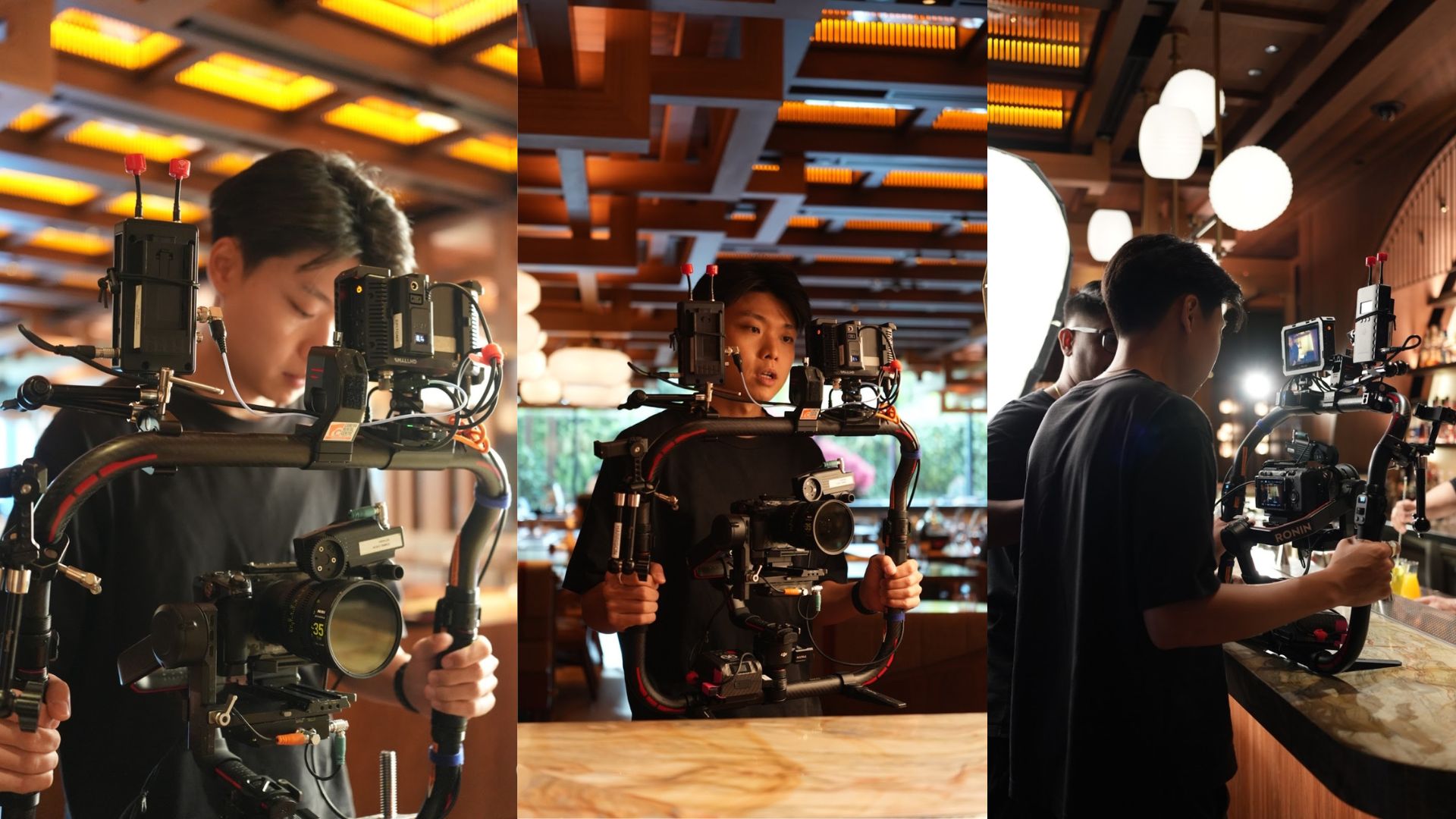
Rather than film first and crop later, we planned every shot to fit three aspect ratios. On-screen guides on camera monitors ensured important action sat safely inside square, vertical, and widescreen frames. The team could compose confidently on set, and the editor avoided awkward reframes later.
We chose straightforward coverage: a wide shot for context, followed by purposeful close-ups of hands, faces, plating, and service. Because deliverables were agreed upfront—one 30-second master plus three short cuts—the shot list mapped directly to those outputs.
Planned for speed and redundancies
Our secondary cinematographer was briefed to respond instantly when a chef wished to present a dish. That camera could roll within seconds while the main unit continued its scene. Real craft was captured as it happened, and the schedule stayed on track.
Pre-visualisation That Protected Time
We kept prep practical, focused only on what the job required.
A recce confirmed we couldn’t film during service, locking the split-window approach. We identified where daytime and night beats would happen and agreed the order of scenes. The director, cinematographer, and editor planned together so shot design, lighting, and the cut would support one continuous story.
We committed to deliverables before stepping on set: one 30-second master, three short cuts (day, night, service), plus stills and video in all three aspect ratios. That decision guided how we captured each beat and made the edit straightforward.
The Shoot Day
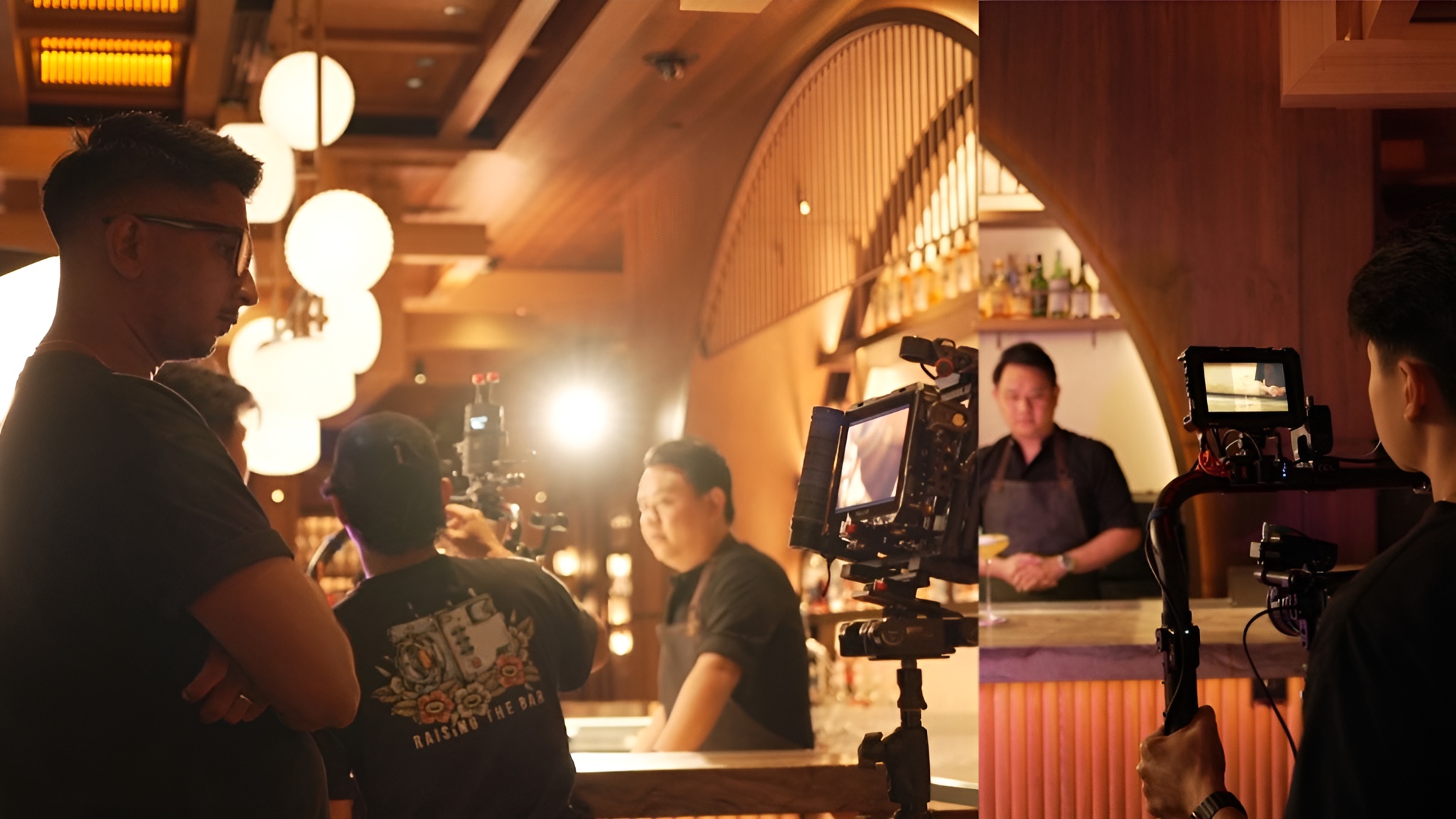
The morning window opened with calm, detail-led shots: the maple tree, clean table settings, light moving through the space. The director blocked a simple walk-in and seating sequence, adjusting eyelines and simplifying moves so scenes felt natural without slowing the schedule.
Focus shifted to the kitchen. When a chef wished to present a dish, our in-house cinematographer picked it up immediately while the main unit continued. By late morning, we had the Spring and Summer foundation.
At midday, the unexpected happened. Our lead cinematographer became unwell and couldn’t return. Because our secondary cinematographer had been involved from treatment through shot planning, they stepped into the lead for the night window. The look held, the plan held, and evening work went ahead on schedule.
This continuity wasn’t a special backup plan, it was the natural outcome of how Epitome works. Projects run as one integrated team. Context is shared, decisions are made together, and people can take the next role when needed.
The night work kept a lean footprint with only essential crew on the floor. We opened with a group at the bar, where gentle background movement kept focus on cocktails and small bites. Counter dining was framed so the maple tree remained present, linking back to the venue’s signature design. Between set pieces, we filmed short service beats, a bartender at work, hands setting tables, plating details. We closed with composed groupings for dinner and bar.
By the end of the window, we had what we needed. The bar felt welcoming, dining scenes read as refined rather than formal, and service details tied everything together. The four-season structure had given us a clear roadmap from brief to final frame.
Post-Production and Quality Control
The edit followed the season’s structure. Spring and Summer lead the open with fresh, social energy. Autumn introduces the bar and bridges into the evening. Winter closes with composed night plating. Because the shot plan was designed for specific outputs, scenes dropped straight into place.
We couldn’t film at sunset due to the operational constraints, so we captured sunrise and guided selected frames in color to read as golden hour where needed. The overall look stays bold and contemporary, closer to editorial photography than muted cinema.
Deliveries were supplied in 1:1, 9:16, and 16:9. Because composition was planned for these shapes on set, faces, hands, and key actions stay clear in each version without heavy reframing.
After the first pass, cocktail visuals didn’t meet the client’s presentation preferences. Rather than compromise in post, we returned the next day with a small internal team and reshot only the required moments. We absorbed the additional work at no cost to the client, matched the established look, and turned it around within 24 hours.
What We Learned
The work on set ran smoothly. The complexity sat in coordinating feedback across multiple locations and decision-makers: a common reality in hospitality and F&B productions where brand, operations, and creative teams all have a stake in the outcome.
When review streams move through different channels and time zones, alignment on creative details can drift. The underlying material was strong, but the process took more rounds than we’d anticipated.
This isn’t unusual, it’s the nature of multi-stakeholder work. The lesson is that we need to design the review process as tightly as we design the shoot itself.
What we learned for future projects:
- Front-load alignment with a cross-party kick-off. Gathering all stakeholders at the start to confirm goals, look references, deliverables, decision owners, review rounds, and response windows prevents drift later.
- Structure group feedback at key gates. Presenting the rough cut for story, fine cut for pacing, and picture lock for polish as shared review moments means everyone hears the same discussion and contradictions surface early.
- Publish a simple approval map. Naming one reviewer of record per party per round, with clear response windows, keeps the process moving predictably.
- Keep a live decision log. A shared record of what changed, why, and who agreed prevents revisiting settled questions.
- Present A and B options where taste is involved. This focuses subjective conversations and moves decisions forward faster.
Multiple stakeholders bring valuable perspectives: the challenge is coordinating the review process as precisely as we coordinate the shoot itself. As the production partner, that’s our responsibility to design.
What Was Delivered
By the end of two windows, we had the story we set out to tell. Approximately 20 retouched stills, one 30-second master, and three sub-20-second edits focused on day dining, night experience, and service. Every asset in 1:1, 9:16, and 16:9. You can watch the Wakuda film in full in our portfolio.
Square and vertical versions support Instagram, TikTok, and Stories without cropping key details. The 30-second master works as a website header, paid placement, or venue loop. Stills refresh listings, menus, and PR while keeping one visual language across touch-points.
Operationally, the plan worked. Filming outside service hours meant guests were never disrupted. When the lead cinematographer became ill, the integrated team structure allowed seamless continuity. Chef-led dishes were captured in real time while the main unit kept moving.
Creatively, the four-season spine made the shift from day to night feel natural. The look remained contemporary and editorial, so Wakuda feels premium yet accessible across all cuts.
Key Takeaway
Creative treatment drives production strategy. When our director proposed the four-season concept, it gave us both aesthetic coherence and operational clarity: we knew we needed day and night, which meant splitting the shoot around service hours.
The precision of that creative framework made everything else possible: meticulous planning, platform-first shot design, integrated crew structure, and early stakeholder alignment all flowed from understanding what the treatment required.
For future live-venue projects, we’ll propose a shared kick-off and group review gates as part of the base scope. Not to eliminate friction entirely, but to reduce it where it matters most.
Talk to us: If you’re planning to film a live venue without interrupting service, we can help design a production approach where creative vision and operational constraints work together.
Credits and Production Facts
Client
- Direct Client: Marina Bay Sands x Wakuda
- Primary Contact: Marina Bay Sands team
- Stakeholders: Wakuda Singapore and Wakuda Las Vegas
Production Details
- Shoot Date: Monday, 2 June 2025
- Location: Wakuda, Marina Bay Sands Hotel Tower 2, Lobby, 10 Bayfront Avenue, Singapore 018956
Crew Credits
- Executive Producer: Jasper
- Producer: Haida
- Assistant Director: Khalid
- Director: Jem
- Directors of Photography: Ridwan, Harrison
- Camera Assistants: Dominic, Sean
- Gaffer: Edward
- Grips: Guo Wei, Soon Lai
- Junior Grip: Navin
- Art: Germaine
- Make-up Artist: QQ
- Wardrobe: Shaf, Nathanel
- Assistant Wardrobe: Nat
- Post Producer: Kavya
- Editor: Zeenol
- Colourist: Prateek