How to Film Music Festivals & Concerts in Singapore
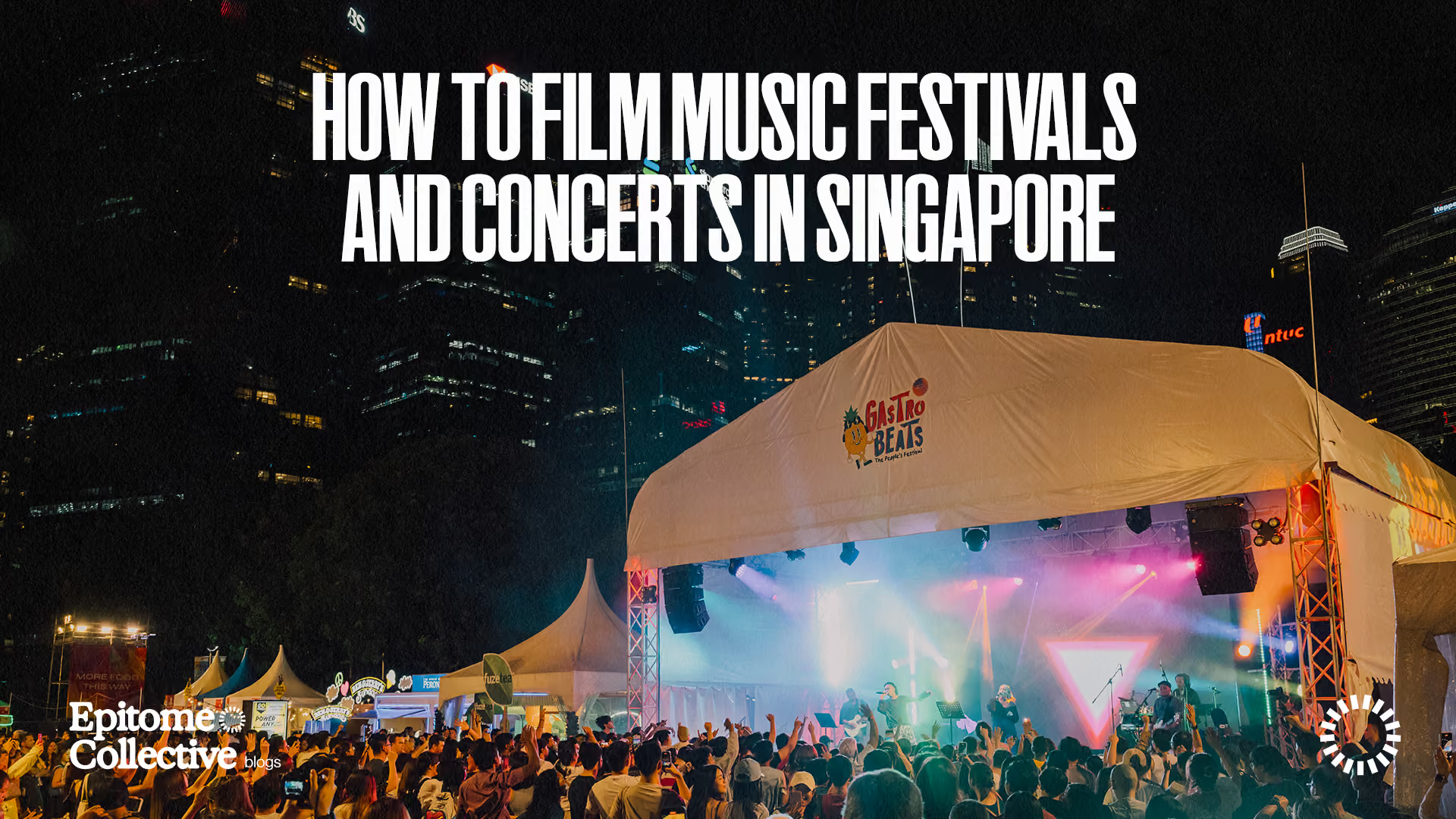
Filming music festivals and concerts in Singapore requires technical skill and creative storytelling. Professional concert videos capture the energy of live performances, artist engagement, and crowd atmosphere. This is one part of the broader craft of event video production, and it also handles tricky lighting and complex audio environments.
This guide walks you through the complete process. You’ll learn about planning, filming, and editing. Whether you’re filming an outdoor festival at Siloso Beach or an indoor concert at Singapore Indoor Stadium, this guide helps you create compelling video content that extends your event’s reach.
Table of Contents
- Pre-Production Planning: Setting Up for Success
- Essential Equipment for Concert Video Production
- Setting Up for Live Event Filming
- Filming Techniques During Live Performances
- Post-Production for Concert Videos
- Why Partner with a Video Production Company in Singapore?
Pre-Production Planning: Setting Up for Success
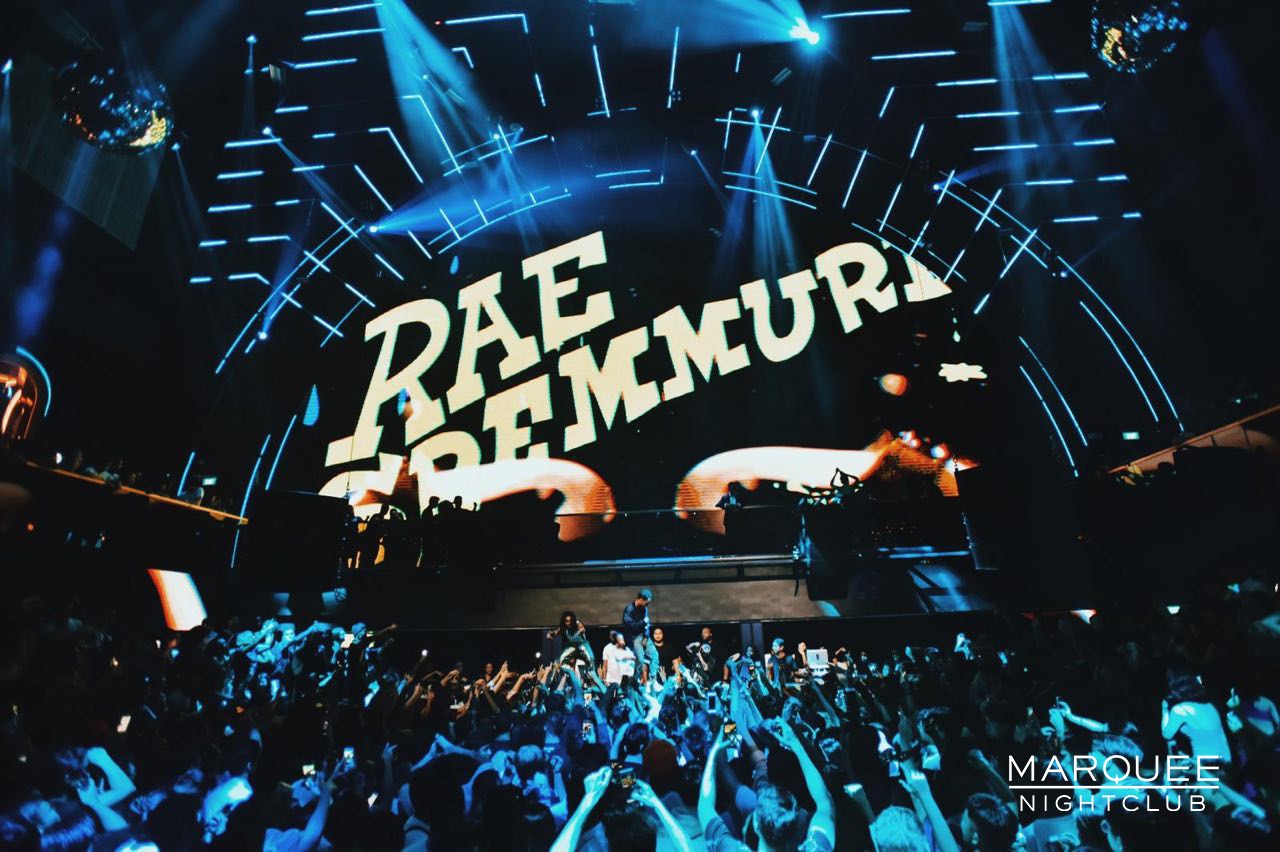
Pre-production establishes your creative vision, secures permissions, and maps out technical requirements before event day. This planning phase determines camera positions, crew assignments, equipment specs, and backup plans. Good planning ensures smooth filming during the live event.
Understanding Your Video Goals and Audience
Start by defining what you need:
- Promotional highlight reels for social media
- Full-length performance recordings for streaming platforms
- Broadcast-quality content for television distribution
Each type shapes your camera count, shooting style, and editing timeline. Corporate videos for branded festival content need different coverage than artist-focused documentary filming, a distinction covered in our wider guide to video production for brand events.
Clarify these points during initial planning:
- Usage rights and distribution channels
- Final delivery formats
- Budget and creative expectations
This alignment prevents surprises later.
Conducting Venue Walkthroughs and Technical Recce
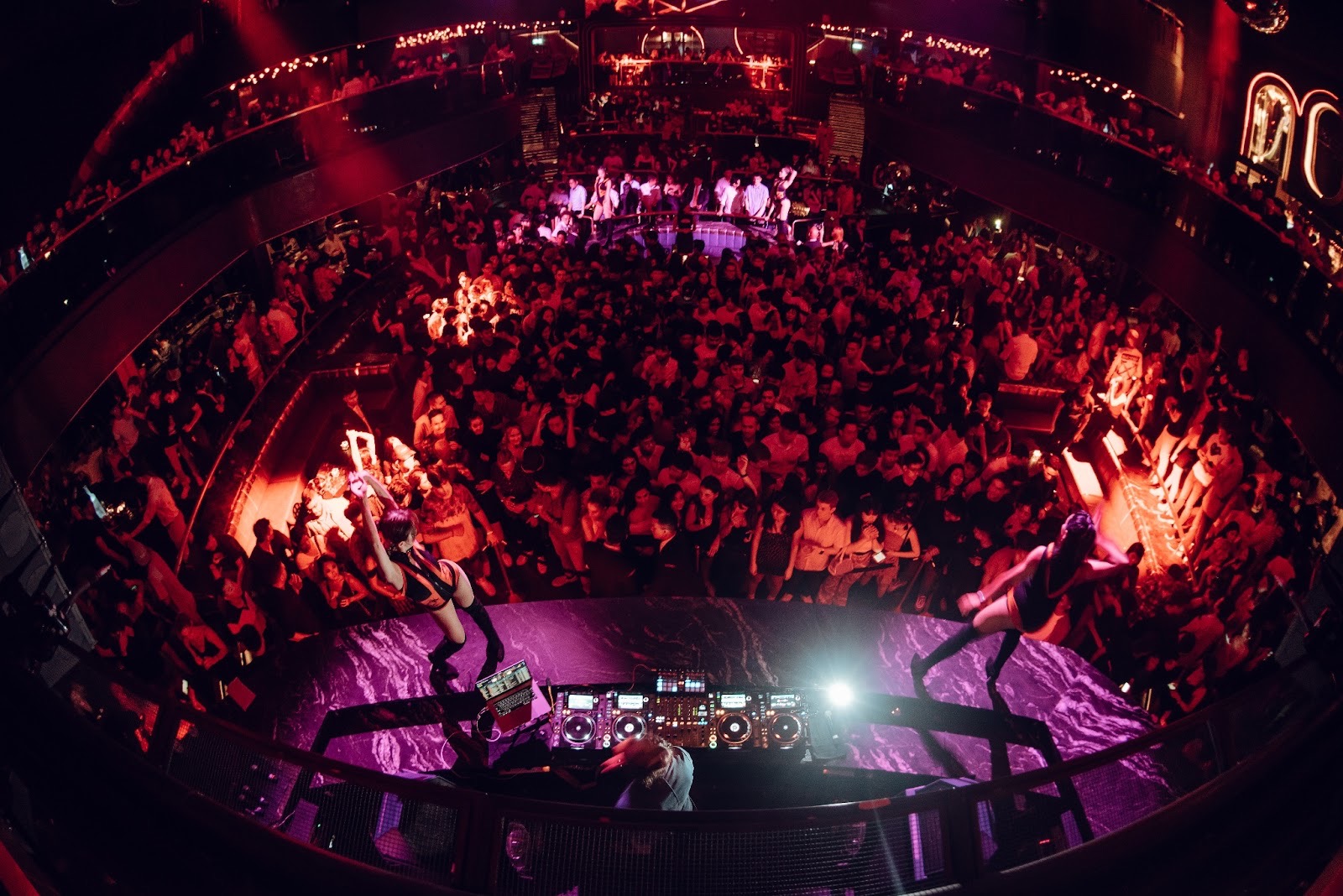
Visit the performance venue before event day. Assess these key elements:
- Stage dimensions and layout
- Lighting grid positions
- Power outlet locations
- Audience sightlines
Document camera placement options. Consider front-of-house platforms, stage wings, and elevated positions for crane or jib setups. Check internet connectivity for live streaming capability. Confirm load-in schedules with venue management.
Singapore’s outdoor festival locations need extra assessment. Check weather protection, generator access, and backup equipment storage. This technical reconnaissance informs your equipment list and crew size. It also reveals logistical challenges that could disrupt filming.
Essential Equipment for Concert Video Production
Professional gear handles low-light performance environments, delivers high-resolution recording, and provides backup options. You can’t reshoot unrepeatable live moments, so redundancy matters.
Camera and Lens Selection for Live Music
Use cinema cameras with full-frame or Super 35 sensors. These offer superior low-light performance when stage lighting constantly shifts.
Recommended lenses:
- Fast prime lenses (f/1.4 to f/2.8)
- Telephoto zooms (70-200mm)
These capture performers from front-of-house positions whilst maintaining shallow depth and subject isolation.
Multi-camera productions typically deploy 3 to 5 camera bodies. They record simultaneously to ISO files for maximum editing flexibility. Wireless video transmission systems let directors monitor all camera feeds in real time. They can provide operator guidance during performances.
Gimbal stabilisers and shoulder rigs enable dynamic movement. You can move through crowds and backstage areas without introducing shake into footage.
Audio Recording Systems for Festival Environments
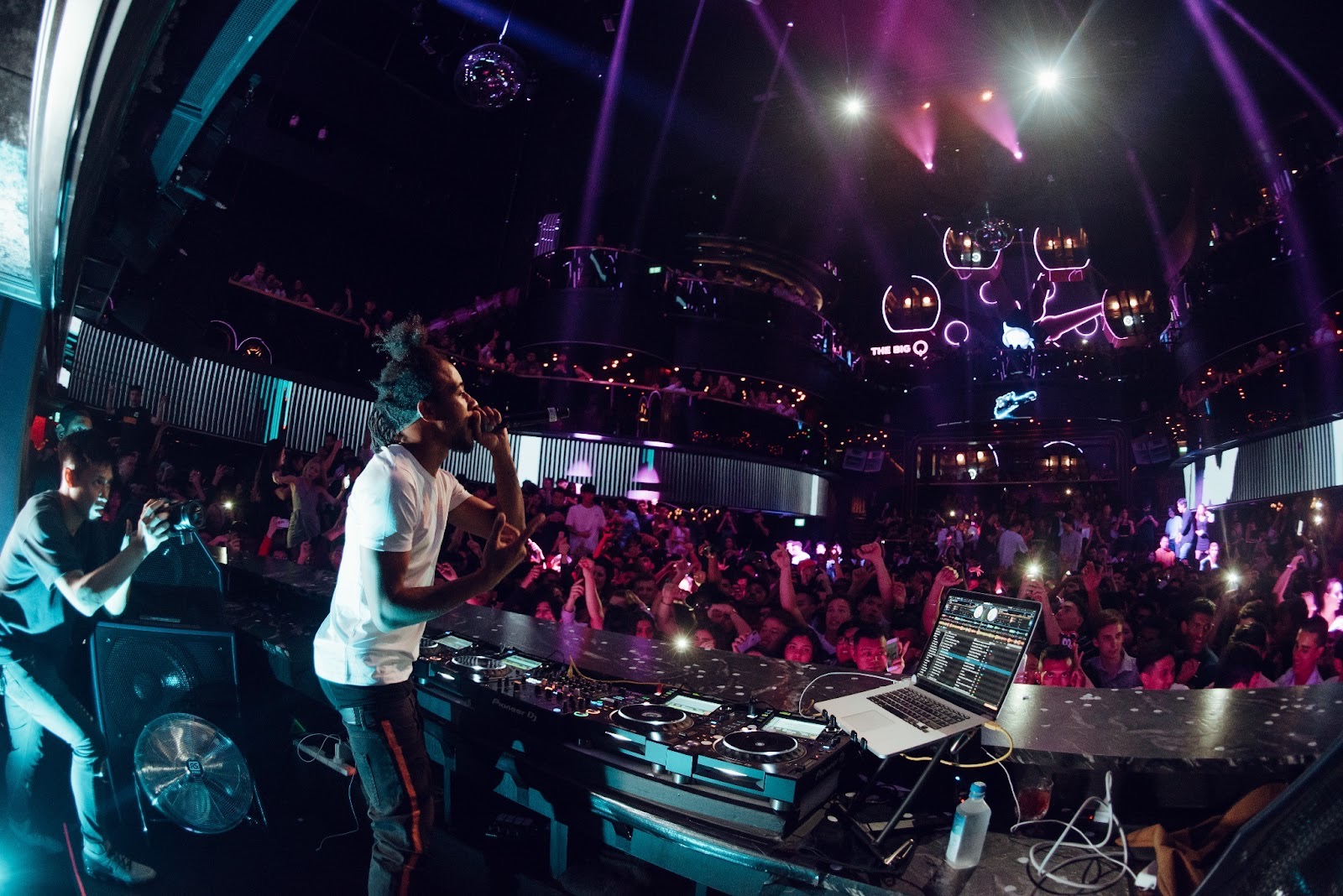
Capture audio through direct board feeds from the venue’s mixing console. This provides clean multi-track recordings of individual instruments and vocals.
Add ambient microphones positioned in the audience. These record crowd reactions and atmospheric energy. Wireless lavalier systems work for artist interviews and backstage documentation between performances.
Always run redundant audio recorders as backup. Audio failure ruins otherwise perfect video footage. Timecode synchronisation across all recording devices simplifies post-production editing. You’ll combine multiple camera angles with separate audio sources more easily.
Setting Up for Live Event Filming
Setup involves positioning cameras strategically, routing audio feeds, establishing communication systems, and conducting technical rehearsals. Experienced teams arrive several hours before performance start. This allows time to complete equipment placement, test signal flows, and coordinate with venue staff and artist management.
Multi-Camera Positioning Strategy
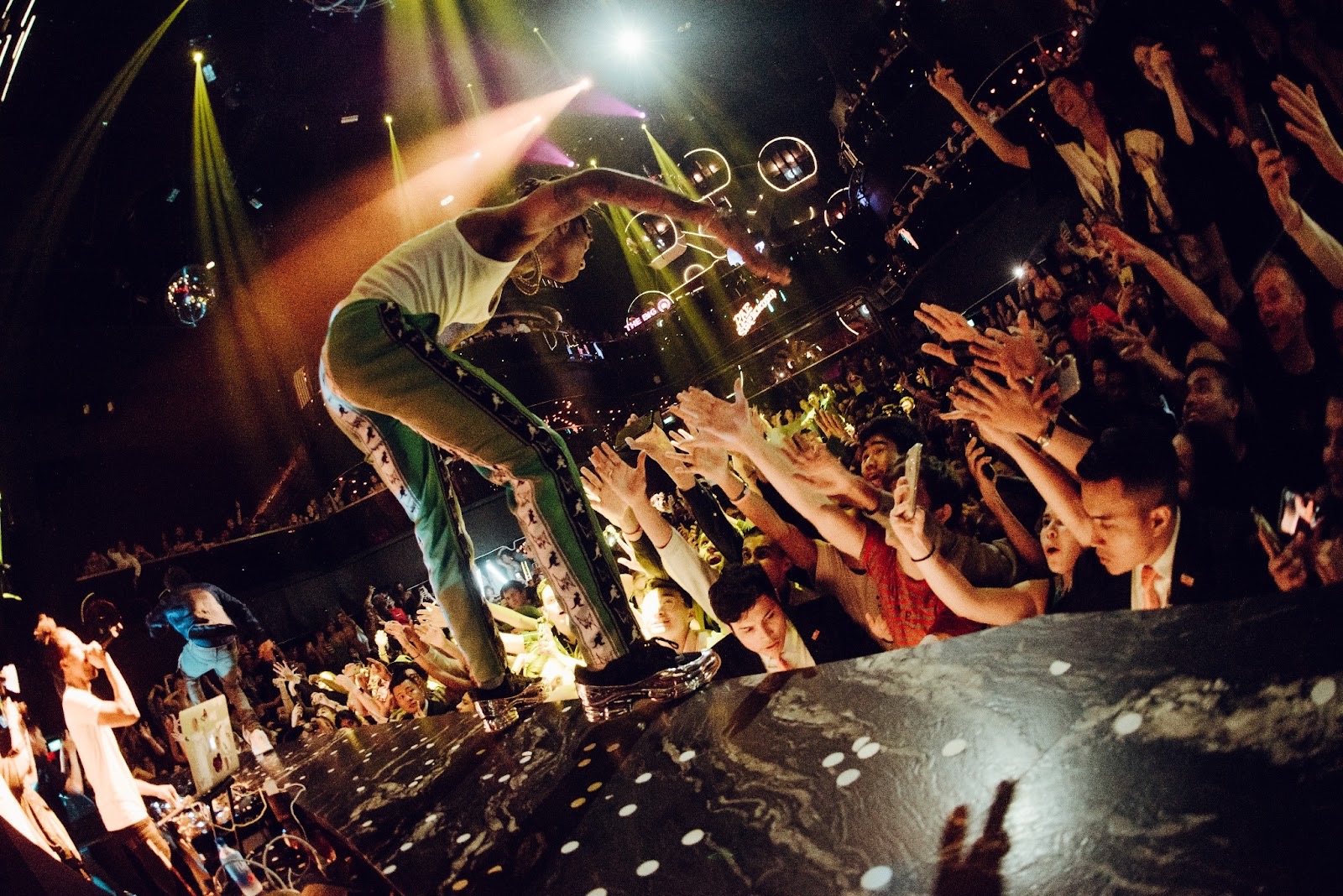
Primary camera: Position at front-of-house centre for symmetrical wide shots. These establish the stage and audience relationship.
Secondary cameras: Place stage-left and stage-right at 45-degree angles. These capture performer profiles and instrument details.
Elevated positions: Use jibs or camera platforms for overhead perspectives. These reveal crowd scale and lighting design.
Roaming operators: Move through audience areas and stage wings with gimbals. Capture intimate performance moments and spontaneous interactions.
Singapore Indoor Stadium and Esplanade Theatres typically restrict certain camera positions. Confirm placement approvals during your technical recce. Mark all camera positions with tape. Assign specific operators to each station with shot lists defining their coverage responsibilities.
Audio and Communication Setup
Connect XLR cables from the venue’s audio board to your recording devices. Request separate outputs for vocals, instruments, and house mix if available. Run test recordings during soundcheck. Verify signal levels and identify any ground loop hum or interference.
Establish wireless headset communication between the director, camera operators, and audio engineer. The team can coordinate coverage during performances without visual signals. Some crews use production intercoms or smartphone apps when wireless systems face frequency congestion at large festivals.
Label all cables clearly. Secure them with gaffer tape to prevent disconnections when crew members move through crowded backstage areas during artist changeovers.
Filming Techniques During Live Performances
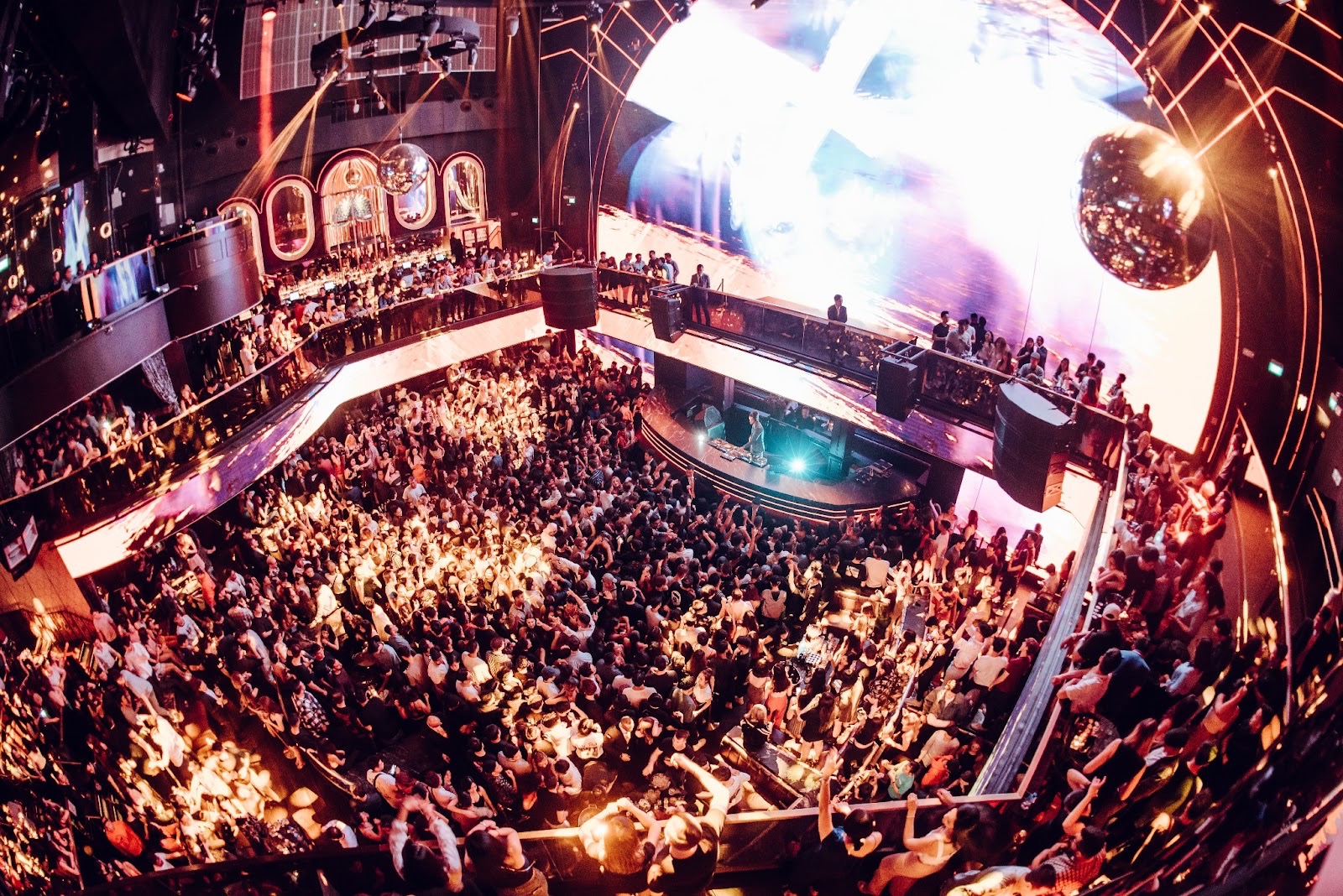
Effective live filming requires anticipating moments, maintaining exposure consistency, and capturing varied shot sizes. Professional teams balance technical precision with creative instinct. They document both planned performances and unexpected spontaneous interactions that define memorable concert experiences.
Capturing Performance Energy and Crowd Atmosphere
Vary shot sizes throughout each song:
- Wide establishing shots during choruses
- Tight close-ups on artists during verses
- Instrumental solos and signature moves
Camera operators should anticipate performer movement patterns. Pre-focus on stage areas where artists typically engage with audiences.
Capture audience reactions during peak moments:
- Hands raised
- Singing along
- Emotional responses
These shots convey the event’s atmosphere and energy.
Steadicam or gimbal operators move fluidly through crowds. They create immersive perspective shots that place viewers inside the festival experience. Communicate shot priorities through headsets. Operators know when to follow specific band members or capture crowd-performer interactions that tell compelling visual stories.
Managing Lighting Challenges in Concert Environments
Concert lighting changes rapidly between songs. It shifts from deep blue washes to intense red spotlights within seconds. This challenges camera exposure settings.
Key settings:
- Set cameras to manual exposure mode
- Use custom white balance rather than auto settings
- Monitor highlight clipping on performers’ faces
- Protect shadow detail during darker atmospheric moments
Stage lighting often creates mixed colour temperatures. Tungsten spots combine with LED panels and strobe effects. This requires careful post-production colour grading.
Teams typically shoot at higher ISO settings (1600 to 3200). This maintains workable shutter speeds. Accept some noise that gets managed during post-production. Keep backup batteries and memory cards immediately accessible. Live events offer no pause for equipment changes.
Post-Production for Concert Videos
Post-production involves syncing multi-camera footage, editing to music rhythm, colour grading for consistency, and mixing audio for final delivery. This phase transforms hours of raw concert footage into polished content. You’ll create highlight reels, full performance videos, or promotional content tailored to specific platforms and audiences.
Multi-Camera Editing and Sync Workflow
Import all camera ISO recordings and audio files into your editing timeline. Use timecode or audio waveforms to synchronise footage perfectly. Organise clips by camera angle and song title. This streamlines the editing process when working with multiple hours of material.
Cut between camera angles on musical beats, performer movements, or dramatic lighting changes. Maintain visual rhythm that matches the energy of live performances.
Select the most compelling moments:
- Powerful vocal deliveries
- Crowd reactions
- Instrumental solos
Maintain narrative flow that captures the concert’s emotional arc.
Teams typically deliver 3 to 5 minute highlight reels from full concerts. These condense 90-minute performances into shareable social media content. This drives ticket sales for future events.
Colour Grading and Audio Mixing for Final Delivery
Correct inconsistent colour temperatures caused by shifting stage lighting. Balance skin tones and create unified visual aesthetics across all camera angles.
Apply creative colour grades that enhance the concert’s mood:
- Cooler tones for electronic music
- Warmer looks for acoustic performances
Maintain broadcast-safe levels for television distribution.
Mix multi-track audio to balance vocals clearly above instrumental tracks. Preserve audience ambience that conveys live atmosphere. Apply compression, EQ, and limiting to ensure consistent volume levels. Avoid sudden jumps between quiet verses and loud choruses.
Export final deliverables in multiple formats:
- 4K masters for archival
- 1080p versions for streaming platforms
- Vertical cuts for social media distribution on Instagram and TikTok
Why Partner with a Video Production Company in Singapore?
Professional production companies bring specialised equipment, experienced crews, venue relationships, and complete post-production capabilities. Established teams have filmed dozens of concerts and festivals. They understand the unique technical demands and creative opportunities that live music events present.
Key benefits:
- Extensive equipment inventories including multiple cinema cameras, wireless systems, and stabilisation gear
- Experienced crews who know Singapore’s major venues: Singapore Indoor Stadium, Esplanade Outdoor Theatre, Zouk
- Understanding of each location’s technical restrictions and optimal camera positions
- Complete post-production workflows with colour grading, audio mixing, and motion graphics capabilities
Professional services transform raw footage into polished deliverables that extend your event’s reach and impact.
Ready to film your next music festival or concert in Singapore? Epitome Collective specialises in live event video production. We deliver multi-camera concert coverage, highlight reels, and promotional content for festivals, venues, and artists. Contact us to discuss your concert video production needs.