Video Production Scope Explained: What You’re Getting and What Costs Extra
Video Production Scope Explained: What You’re Getting and What Costs Extra
A video production scope defines exactly what you’re getting: the deliverables, the crew, the timeline, and the number of revision rounds included in your project. It’s the document that separates a smooth production from a frustrating one.
Most budget surprises don’t come from what’s in the scope. They come from what isn’t. Talent fees, music licensing, extra format versions, additional revision rounds: these are the items that quietly inflate your final invoice when they weren’t discussed upfront.
This guide breaks down what a standard video production scope in Singapore typically includes, what commonly sits outside it, and how to read a proposal so you know exactly what you’re signing up for. If you’re still choosing a production partner, start with our guide to the business of video production in Singapore.
Table of Contents
- What Does a Standard Video Production Scope Include?
- What Usually Sits Outside the Scope?
- How Should You Read and Compare Video Production Proposals?
- How Do You Protect Yourself from Scope Creep?
- Start with a Clear Scope
What Does a Standard Video Production Scope Include?
A well-structured scope covers three phases: pre-production, production, and post-production. Each phase has specific deliverables that should be listed clearly in your proposal.
What creative and pre-production deliverables are typically covered?
Pre-production is where your project takes shape before the camera rolls. A standard scope typically includes concept development, scriptwriting, and a creative treatment that translates your brief into a visual plan. It also covers logistics planning: location scouting, scheduling, crew assignment, and a detailed call sheet.
Some production companies include storyboarding in their standard scope. Others treat it as an add-on, particularly for simpler projects like interviews or testimonials where a shot list is sufficient.
If you’re working with a video production company in Singapore for the first time, check whether the proposal includes a dedicated pre-production phase. Skipping it is one of the most common reasons projects go over budget.
What does the production phase include?
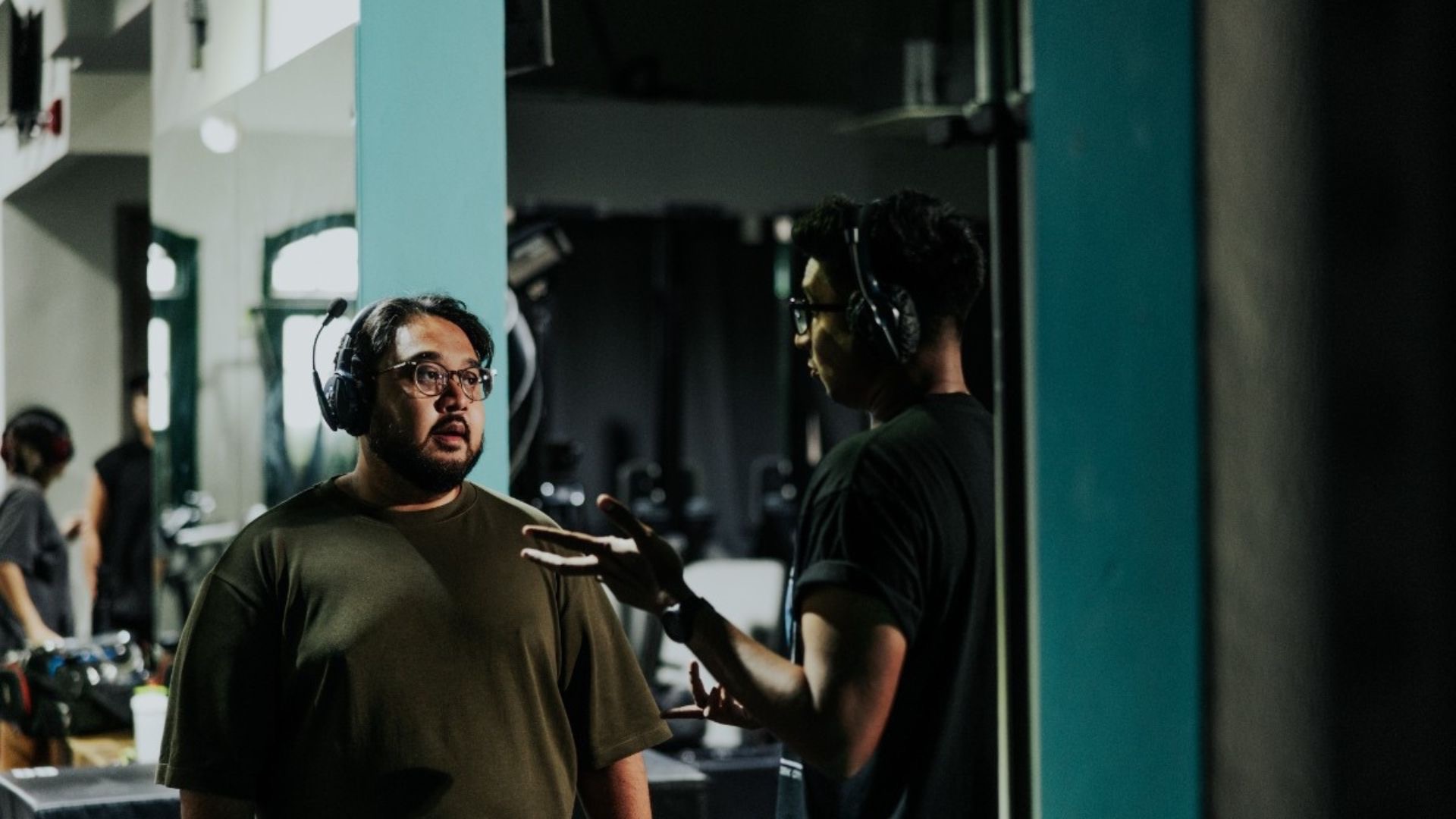
The production phase covers everything that happens on shoot day. A standard scope specifies the number of shoot days, crew composition (director, cinematographer, sound recordist, gaffer, and any additional roles), equipment, and locations.
It should also state whether the shoot includes a director or if the cinematographer is expected to self-direct. This distinction matters. A director manages performances, pacing, and creative decisions on set. Without one, the crew captures footage but nobody is shaping the story in real time.
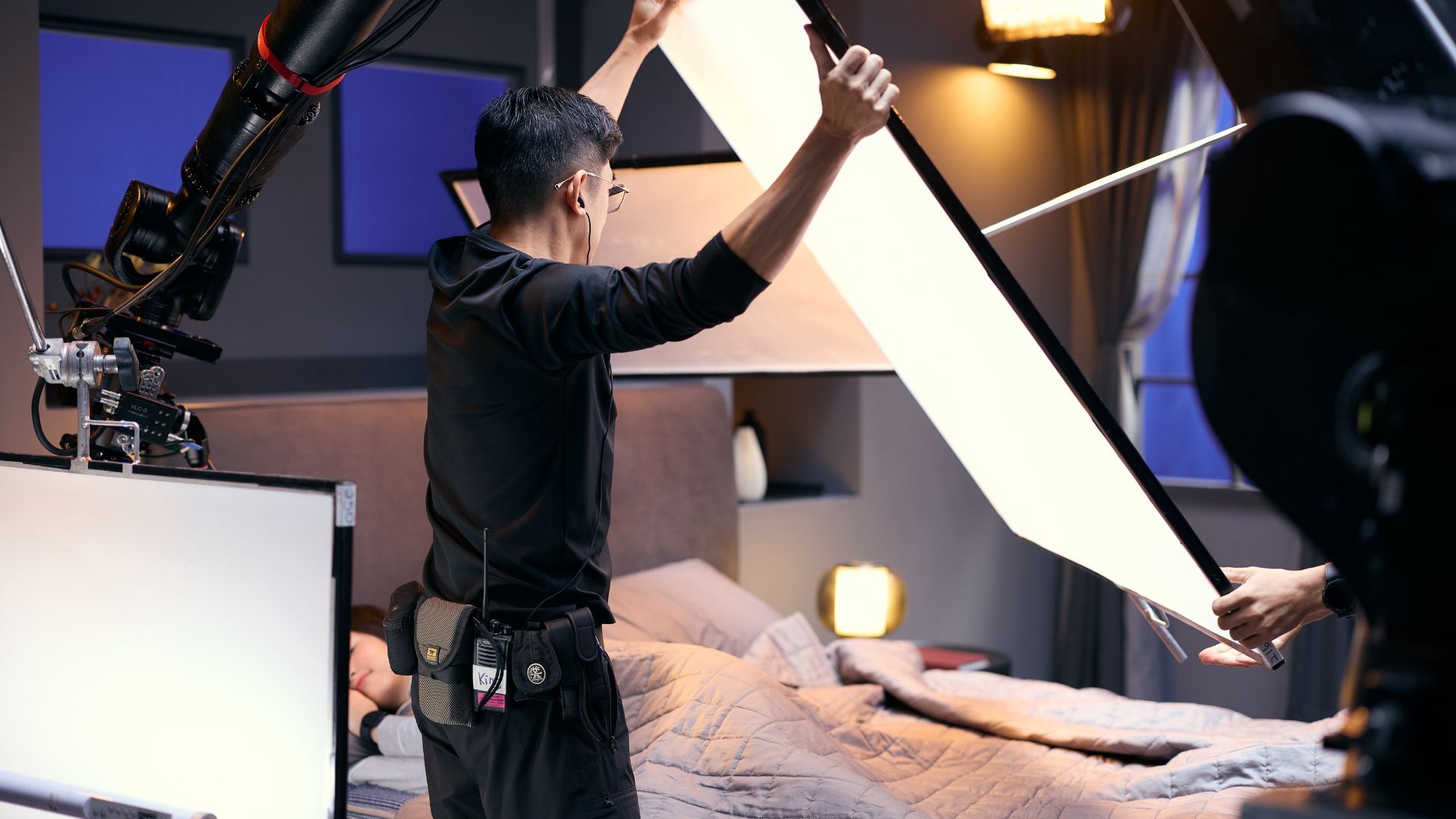
Other items typically included: equipment (cameras, lighting, audio), on-set coordination, and basic catering or logistics for the crew.
What post-production work is included in a standard scope?
Post-production turns raw footage into a finished video. A standard scope covers video editing, colour correction, basic sound mixing, and a defined number of revision rounds, usually two to three.
Beyond the basics, check whether these are included or billed separately: motion graphics and text animation, custom sound design, music licensing, subtitling and captioning, and format delivery (16:9, 9:16, 1:1). For a deeper look at what post-production involves, see our complete post-production guide.
The scope should also state the number of final deliverables. One 60-second video is a very different scope from one 60-second hero cut plus three 15-second social edits, even if the footage comes from the same shoot.
What Usually Sits Outside the Scope?
Knowing what’s excluded is just as important as knowing what’s included. These are the items that most commonly catch clients off guard.
What are the most common exclusions clients don’t expect?
The items that generate the most surprise invoices are:
- Talent fees. Professional actors, voiceover artists, and presenters are usually quoted separately. If your project uses real employees or customers instead, the scope may still include a talent direction fee.
- Location permits. Filming in public spaces in Singapore often requires permits from agencies like the Urban Redevelopment Authority or the Land Transport Authority. Some production companies handle this. Others pass the cost and coordination to the client.
- Music licensing. Stock music libraries charge per track, and fees vary based on usage rights (social only vs broadcast vs perpetual). Custom composition is a separate line item entirely.
- Additional format versions. Your scope might include one 16:9 master. If you also need 9:16 for Reels and 1:1 for LinkedIn, those reframes may be quoted as extras.
- Drone or aerial footage. This requires specialised equipment, a licensed operator, and often additional permits in Singapore. It’s rarely included in a standard scope.
If your proposal doesn’t explicitly list these items, ask. A transparent production partner will clarify what’s included before you sign, not after you receive the final invoice.
How do revision rounds and additional edits work?
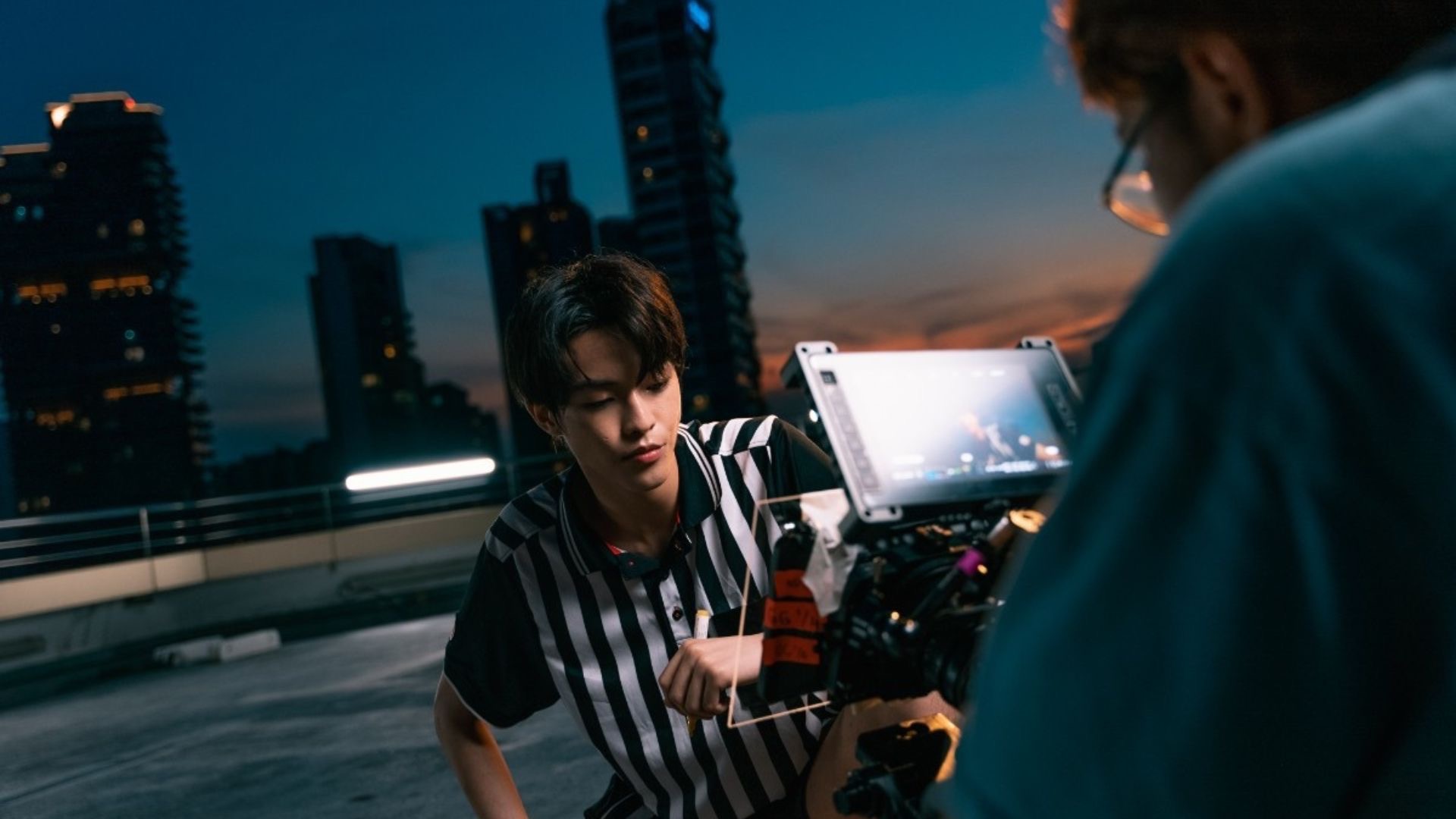
Most production scopes include two to three revision rounds. Each round follows a structured workflow: the editor delivers a cut, you consolidate feedback from your team, and the editor applies the changes.
What counts as a ‘revision’ matters. Minor adjustments to pacing, text, or music within the existing structure are standard revisions. Restructuring the narrative, adding new scenes, or changing the concept after the rough cut is approved typically falls outside the included rounds and is billed as additional scope.
The clearest way to avoid this tension is to agree upfront on what constitutes a revision versus new scope. Good production companies define this in their proposal. If yours doesn’t, raise it before the project starts.
How Should You Read and Compare Video Production Proposals?
Not all proposals are structured the same way. Two quotes for ‘one corporate video’ can look completely different once you read the fine print.
What should every line item in a proposal tell you?
A professional video production proposal breaks down pre-production, production, and post-production as separate sections with itemised deliverables under each.
Every line item should answer three questions: what’s being delivered, how much it costs, and what assumptions it’s based on. For example, a ‘shoot day’ line item should specify crew size, equipment included, and the expected duration. A ‘post-production’ line should list editing, colour, sound, graphics, and the number of revision rounds.
If a proposal gives you a single lump sum with no breakdown, that’s a red flag. You can’t evaluate what you’re getting, and you have no basis for comparison.
How do you spot gaps between two proposals?
When comparing proposals, create a simple checklist. Line up the two quotes side by side and check for these items:
- Is concept development included or does the scope start at production?
- How many crew members are on set, and what are their roles?
- How many revision rounds are included?
- Is music licensing bundled or billed separately?
- Are deliverable formats specified (how many videos, what lengths, what aspect ratios)?
- Is there a project management or coordination fee?
The cheapest quote often excludes items that the more expensive one includes. A S$8,000 proposal that covers filming only is not comparable to a S$15,000 proposal that covers concept, filming, editing, colour, sound, and three deliverable formats. Comparing scope, not price, is the only way to evaluate fairly.
We’ve covered this in more detail in our guide to the common mistakes brands make when hiring a video production company.
How Do You Protect Yourself from Scope Creep?
Scope creep is the gradual expansion of a project beyond its original boundaries. It’s one of the most common reasons video projects exceed their budget and timeline.
What causes scope creep in video projects?
It almost always starts with good intentions. An extra interview gets added on shoot day. A stakeholder requests a new scene after the rough cut. The marketing team decides they also need a vertical version for TikTok. Each change feels small in isolation, but they compound quickly.
The root cause is usually a scope that wasn’t specific enough at the start, or internal alignment that wasn’t locked before production began. When the brief is vague, the production team fills in the gaps. When stakeholders disagree during the edit, revisions multiply.
How do you lock scope early without limiting creativity?
Locking scope doesn’t mean killing flexibility. It means agreeing on the boundaries before the project starts so everyone knows where the guardrails are.
Three things help:
Define deliverables precisely. Don’t say ‘a video.’ Say ‘one 60-second hero video in 16:9 with subtitles, plus two 15-second social cutdowns in 9:16.’ This removes ambiguity.
Agree on the revision process. State how many rounds are included, what each round covers, and what happens if additional changes are needed after the final round.
Get written sign-off at each stage. Approved brief, approved treatment, approved script, approved rough cut. Each approval is a checkpoint that prevents the project from drifting. Changes after a checkpoint are treated as new scope, with a clear cost and timeline impact.
This structure protects both sides. You get predictability. Your production partner gets clarity. And the creative work stays focused on the original goal instead of chasing a moving target.
Start with a Clear Scope
Every successful video project starts with a scope that both sides understand. When deliverables, exclusions, revision rounds, and approval gates are defined upfront, the rest of the process runs smoother, faster, and within budget.
If you’re evaluating proposals or about to commission a video project in Singapore, get in touch with Epitome Collective. We’ll walk you through exactly what’s included, what’s not, and how to get the most from your investment.

.png)